

Key events
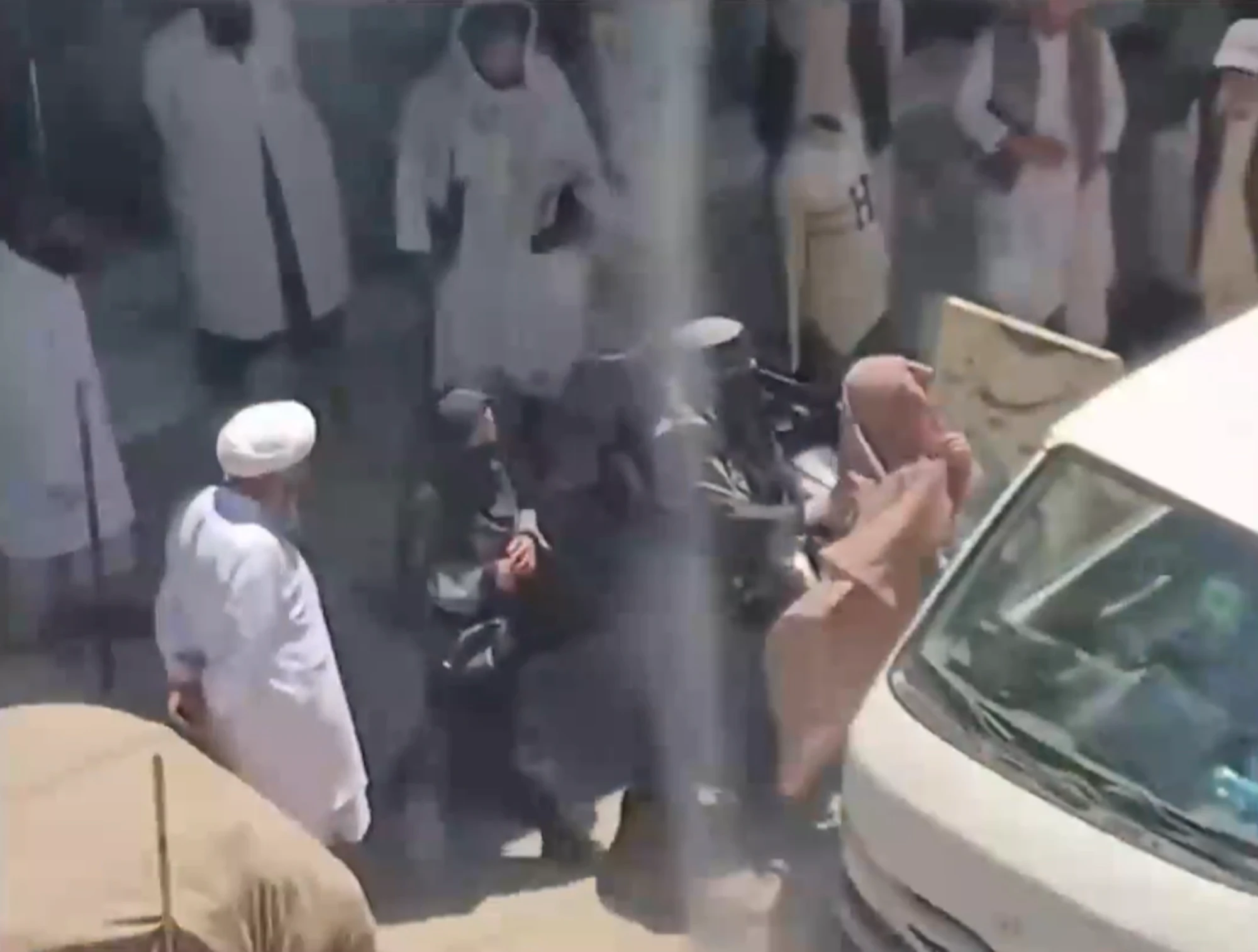
- On 6 June 2026, the DoPVPV in Herat arrested numerous women over alleged hijab or dress code violations, triggering protests, security deployments, and widespread reporting across Afghan and diaspora media.
- Taliban messaging evolved over the reporting period, moving from initial denials of arrests to partial acknowledgements of detentions, and ultimately to confirmation by the provincial governor that a hijab enforcement campaign was underway.
- The enforcement actions were followed by protests in Herat, which were dispersed by Taliban forces, with reports of force used and increased security presence across the city and surrounding areas.
- The information environment around the events was highly contested, with verified reporting circulating alongside AI-generated and manipulated content that amplified and distorted accounts of the arrests and violence.
- Multiple armed opposition groups issued statements or claimed attacks against DoPVPV personnel in response to the events, reflecting parallel mobilisation alongside local civil unrest.
- Herat’s role as a large border city with strong cross-border ties to Iran, significant Shi’a communities, and a historical record of resistance may explain why enforcement actions, particularly in Shi’a majority areas, were perceived as existential and sectarian, rather than routine policing.
- The June 2026 sequence in Herat illustrated how moral policing campaigns, when layered with existing sectarian anxieties, militarisation, and resistance activity, can act as a tipping point.