
Widespread belief in misinformation around Ebola is clearly prevalent. So much so that the Public Prosecutor’s Office of Ituri – one of the hardest hit of DRC’s provinces – indicated in June that individuals found to be spreading misinformation could face charges. A population-based study of the 2018–19 outbreak found 25% of respondents believed the Ebola outbreak was not real, whereas a more recent survey conducted in Ituri puts this at 1 in 3. The same survey relays the testimony of a resident of Lita, Ituri, who says “people can’t bring themselves to believe in this disease. Some call it a satanic disease, while others believe it was invented to make money”. Scepticism is also borne out on social media – one post observed by CIR claims Ebola was created in an American laboratory and ‘does not exist in Congo’, while another claims ‘the WHO wants to kill Congolese people with its vaccines’.
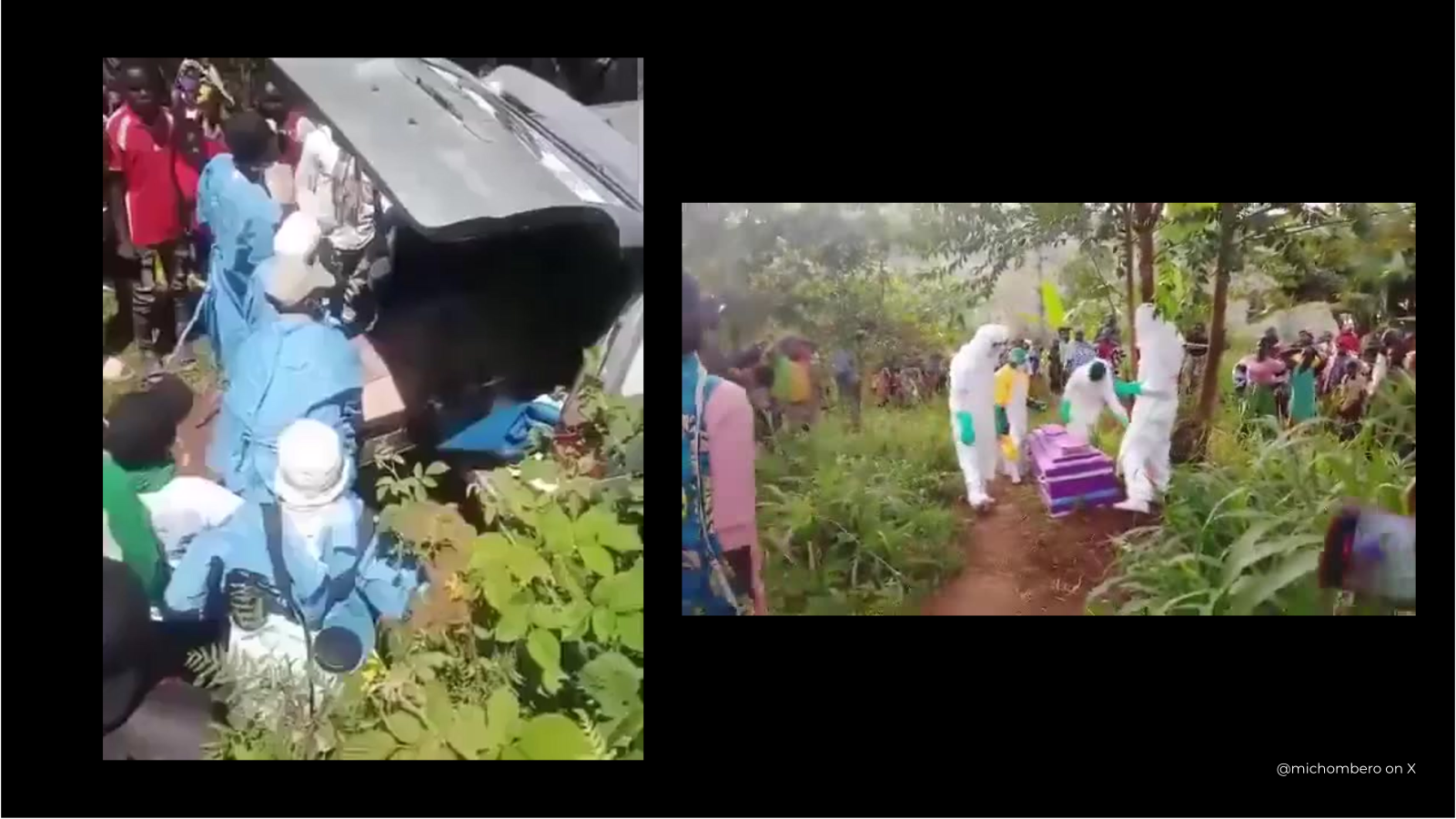
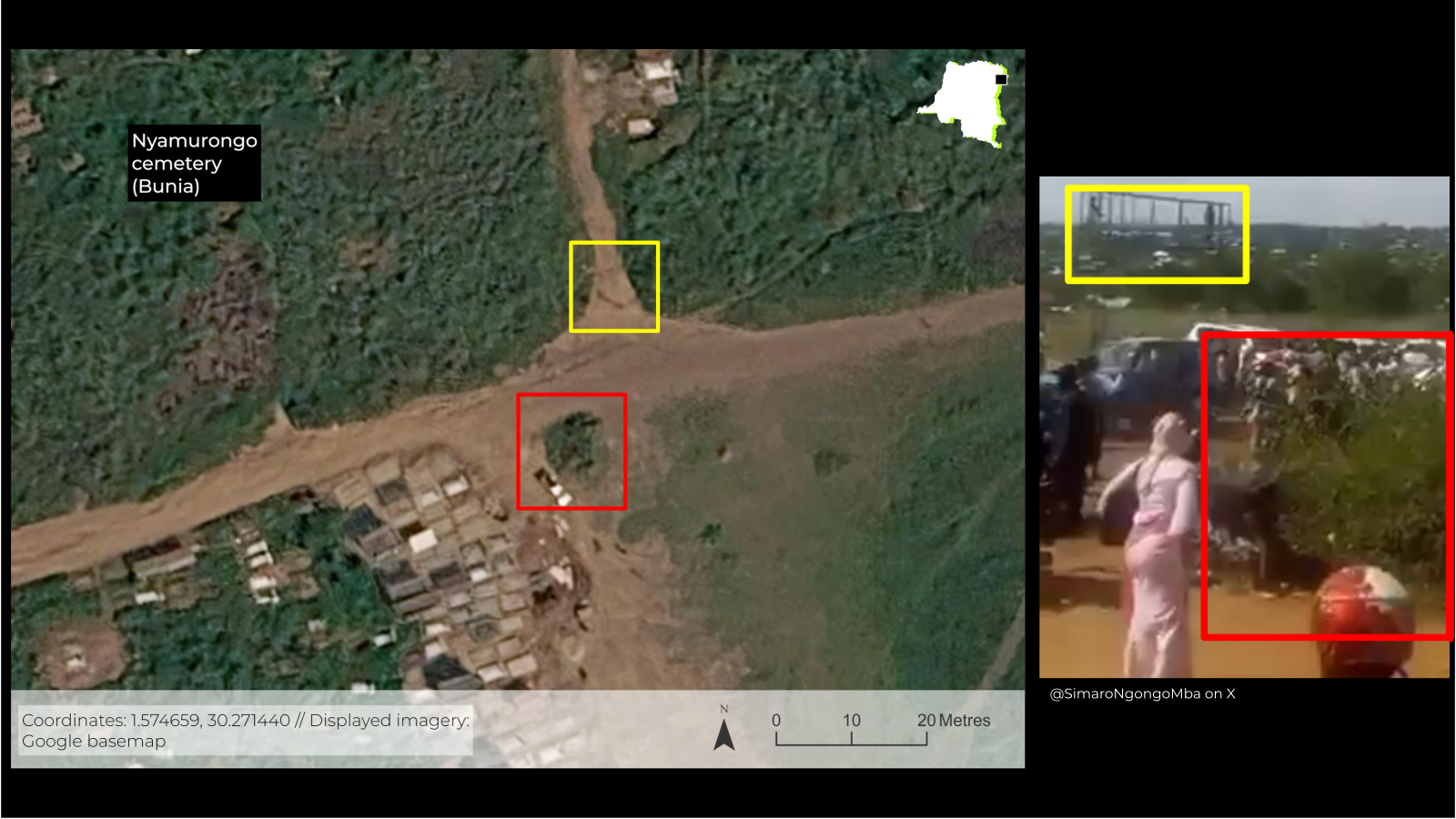
This mistrust has likewise had clear manifestations on the ground. Within the first two weeks of the outbreak having been officially declared, CIR observed two incidents of resistance to burials being carried out by health workers. A video posted to X on 23 May shows civilians harassing health workers heavily clad in PPE as they attempt to remove a casket from a hearse, reportedly in Kyondo. A second video, posted to X on 30 May, similarly shows PPE-clad health care workers standing around a coffin as they are surrounded by a large crowd, who eventually open the coffin after the health workers step away. This can be partly explained by the perceived incompatibility of safe burial protocols with local funerary customs that require physical contact with the body of the deceased. Efforts are currently underway to adapt safe burial protocols to accommodate these customs.