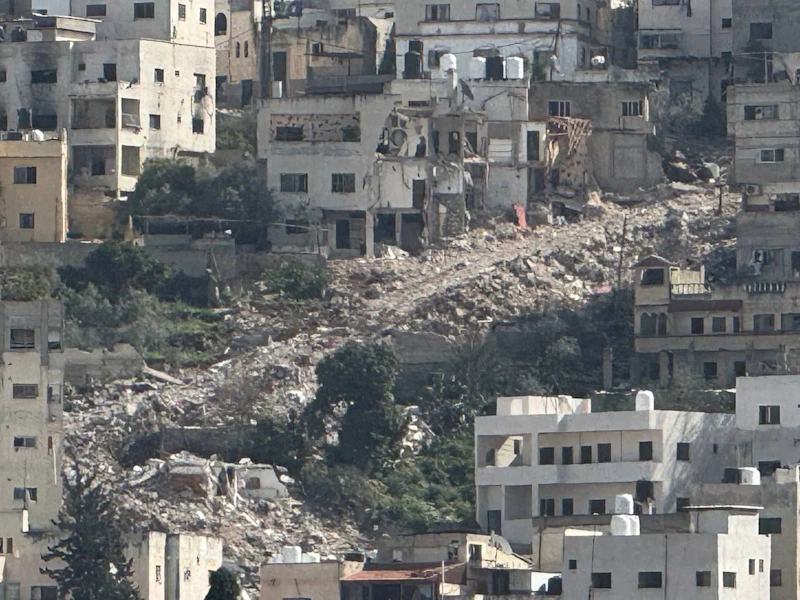
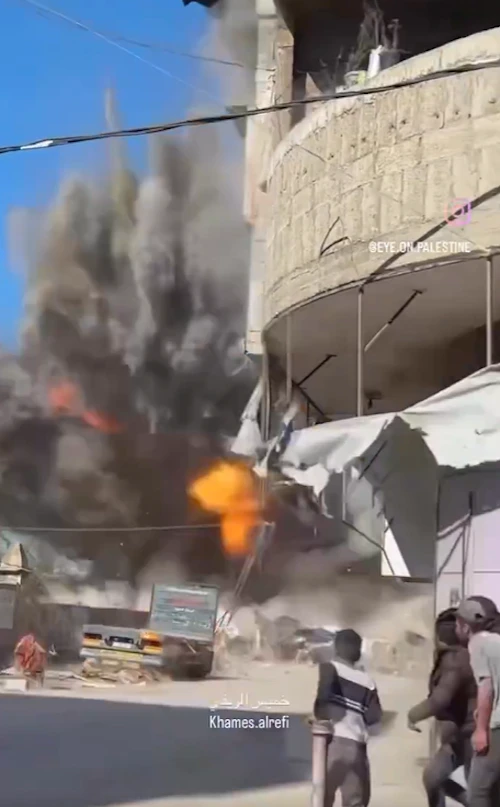
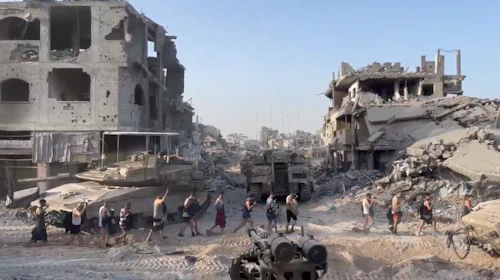
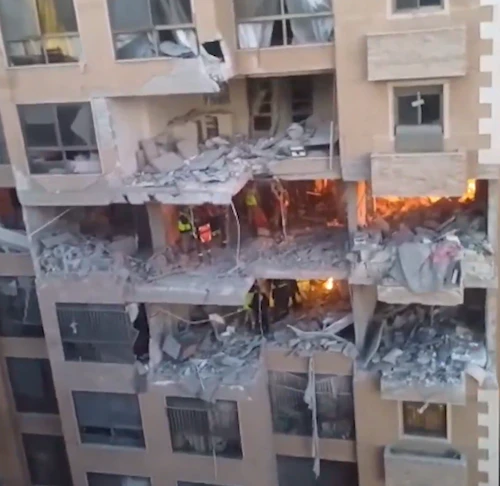
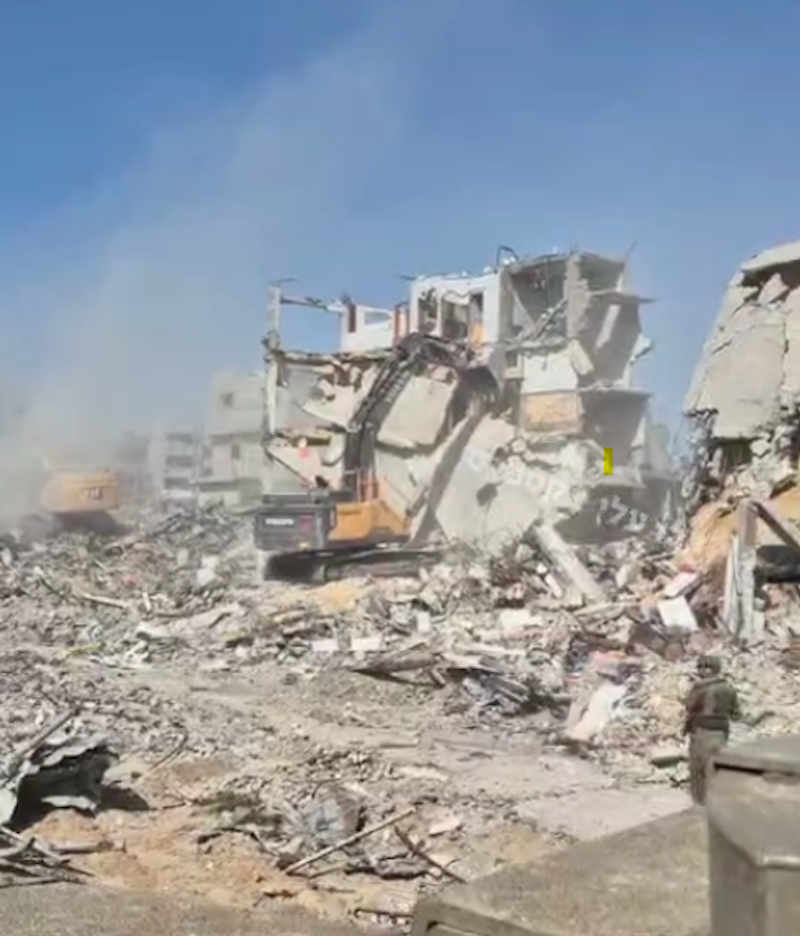
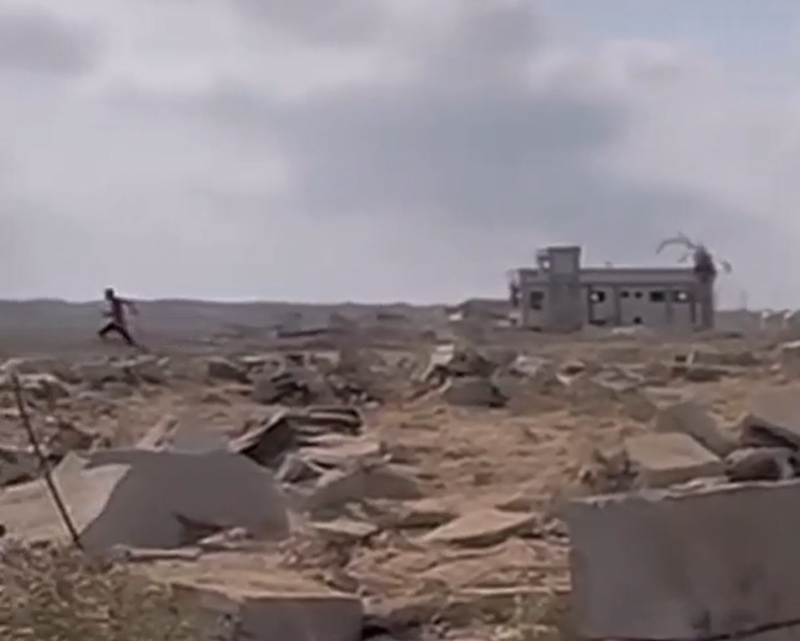
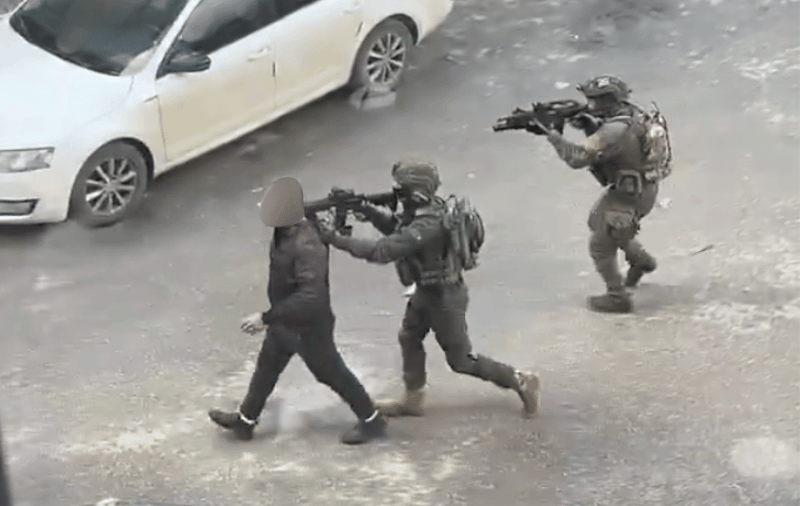
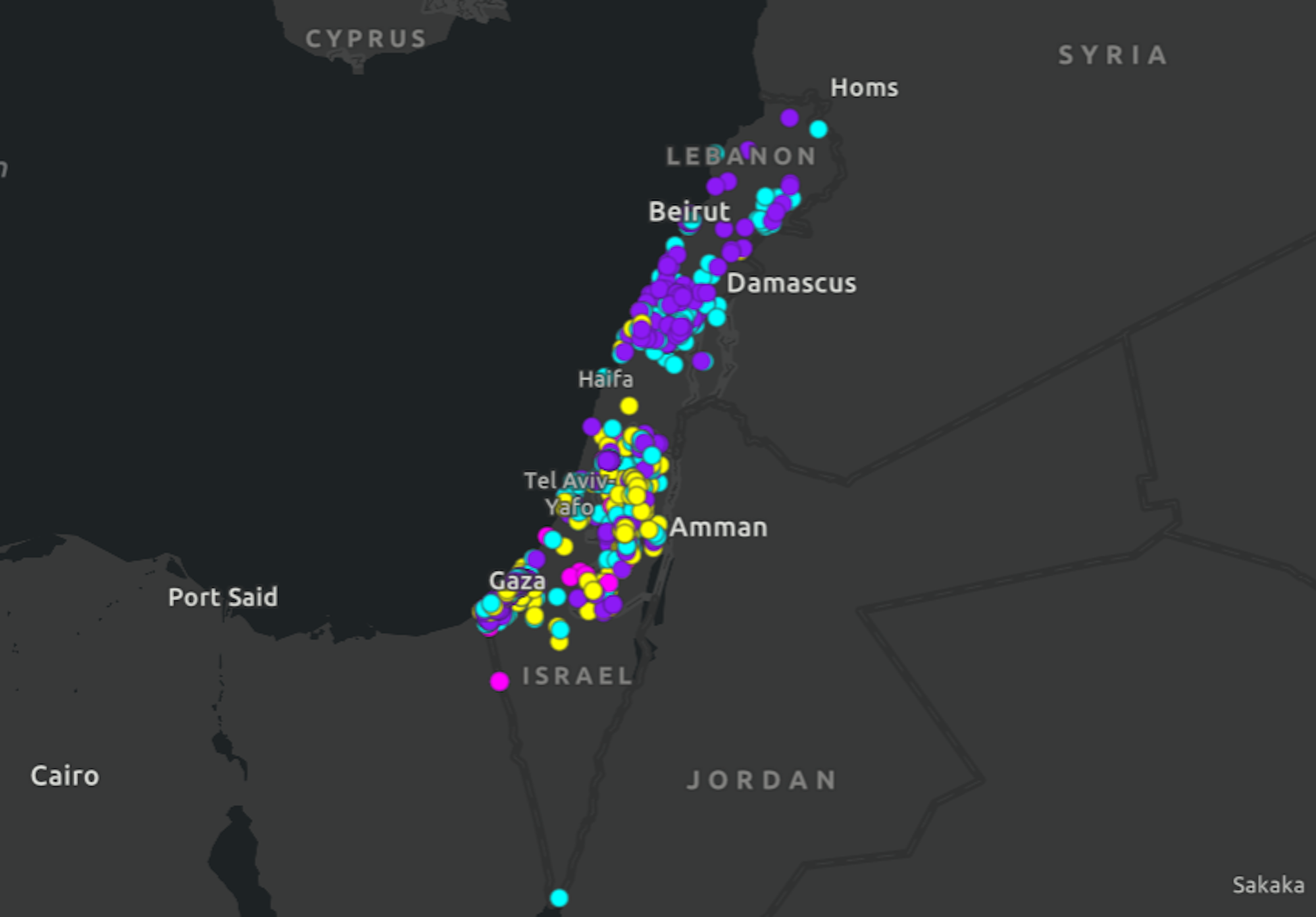
This list outlines key activities for assessing ceasefire compliance within our Israel-Gaza Conflict Map, informed by principles of international humanitarian law (IHL), humanitarian practices, including guidance from the United Nations Office for the Coordination of Humanitarian Affairs (OCHA), and agreed ceasefire frameworks. Indicators in any of these areas could signal possible non-compliance with ceasefire terms. General obligations considered when assessing compliance:
-Cessation of hostilities and withdrawal: Parties must stop offensive military operations and respect lines of deployment or withdrawal as specified in the agreement (for example, troop withdrawal to agreed lines, end of military action).
-Protection of civilians and civilian infrastructure: IHL requires parties to distinguish civilians and civilian objects from combatants and military targets, and to take all feasible precautions. Ceasefire agreements often include special protection for humanitarian operations, safe corridors or zones.
-Humanitarian access and relief: Parties must allow and facilitate rapid, safe and unobstructed access for relief deliveries and humanitarian groups. Ceasefire frameworks often include specific commitments (for example, a threshold number of trucks per day, border crossing openings).
-Hostage, prisoner exchange and release of detainees: Ceasefire deals often incorporate the release of hostages or detainees as part of their terms. IHL prohibits unlawful detention and requires humane treatment of all persons not taking part in hostilities.
-Continuation of hostilities under new pretexts: New forms of hostilities should not be employed as a means to continue offensive operations (for example, facilitating internal rivalries), within the geographic remit of the ceasefire.