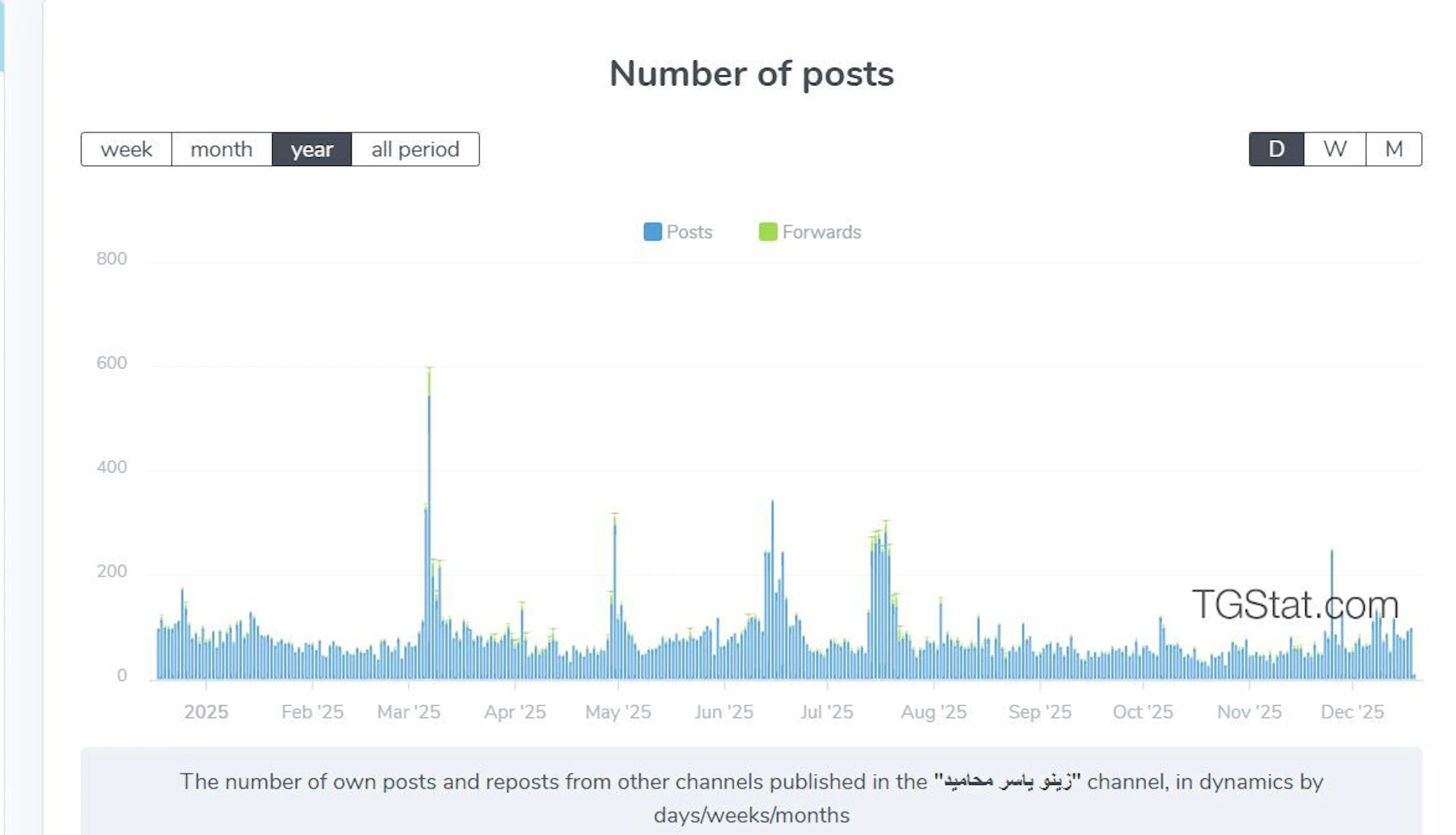
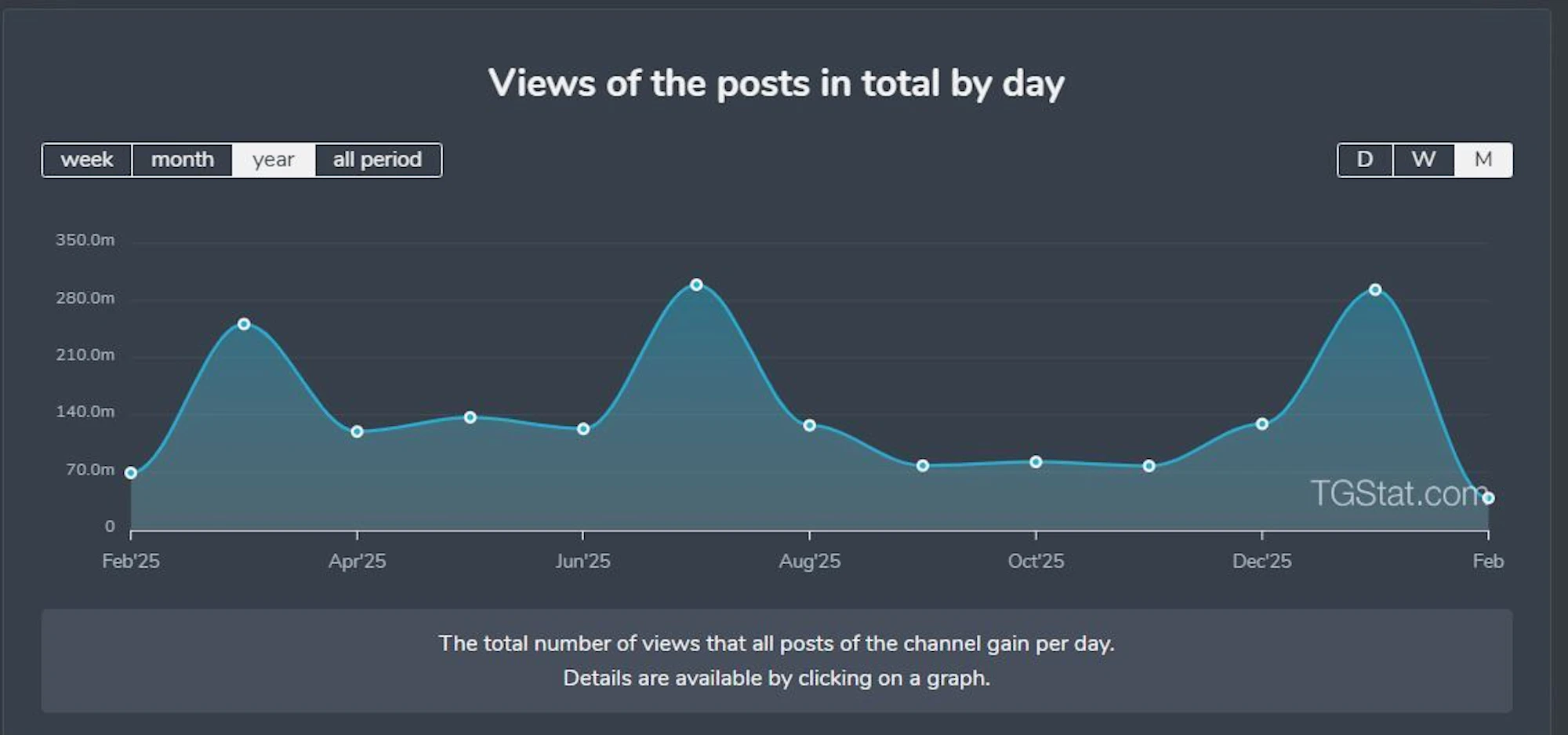
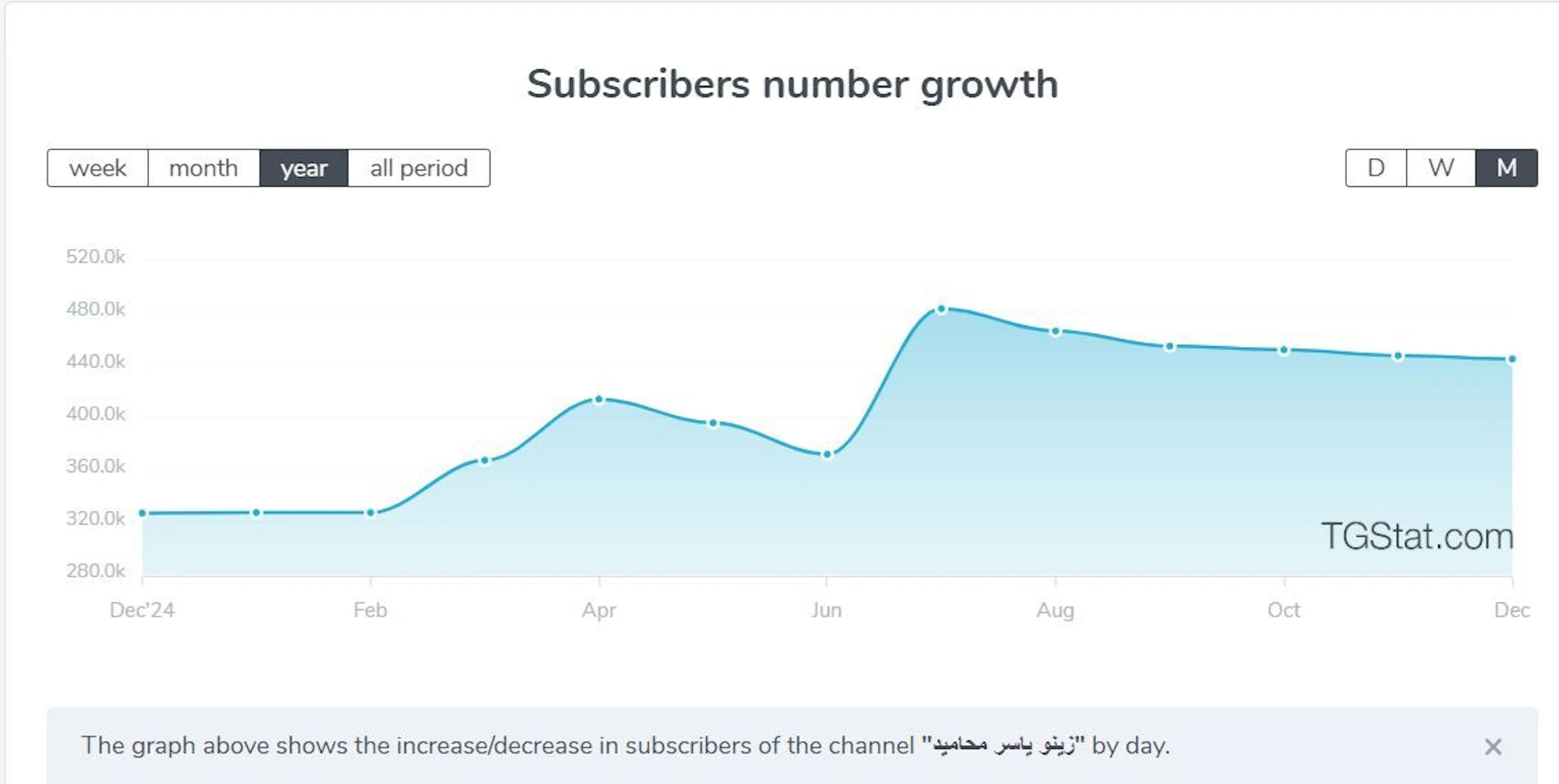
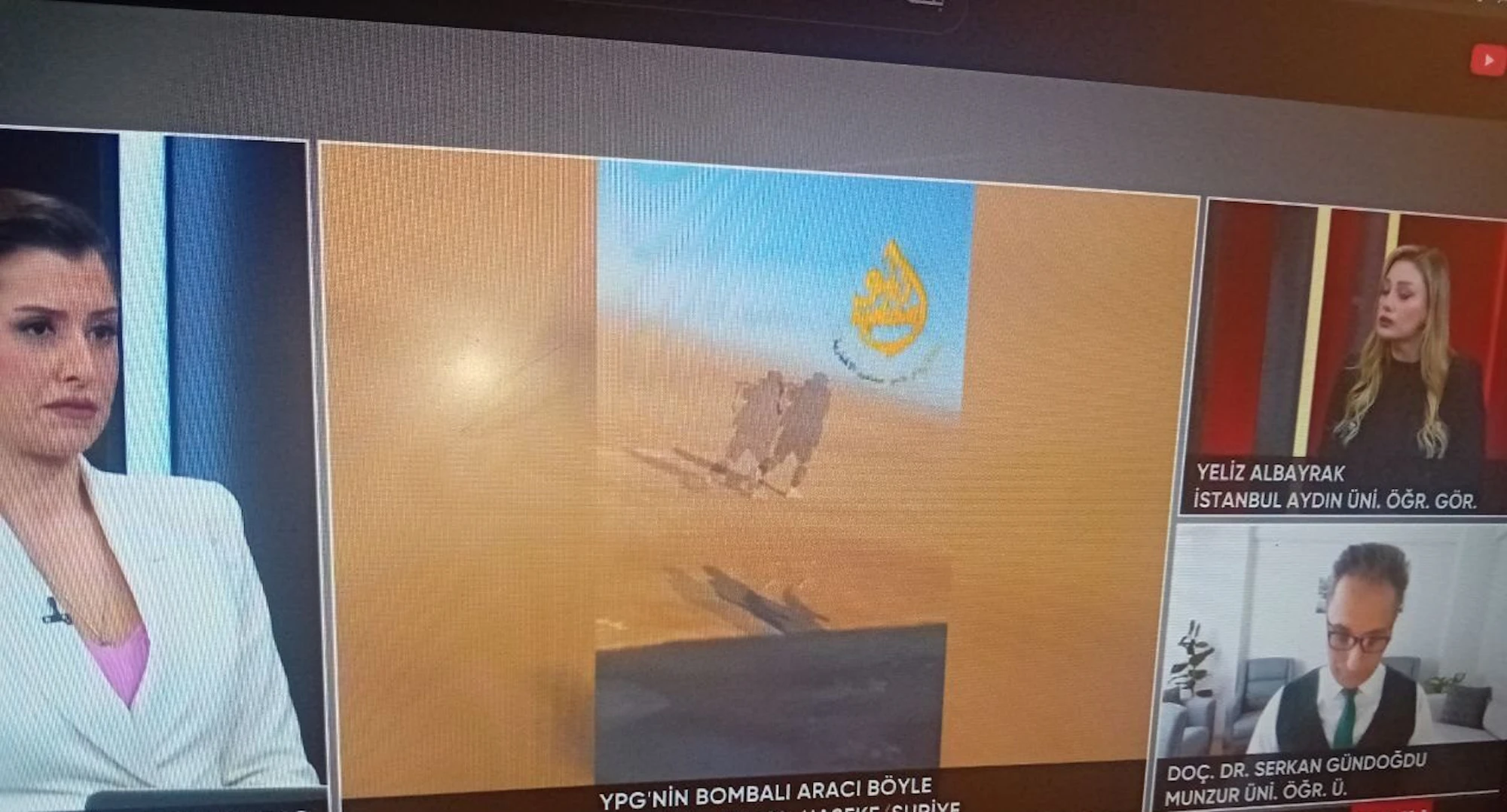
Research conducted by SEEN for Civil Peace, a Syrian civil society organisation, in collaboration with CIR, examined the complex interactions of hostile dynamics during the critical transitional phase, following the collapse of the Syrian regime in late 2024. This research is the first of its kind in Syria.
According to The UN Syria Commission, acts that may constitute war crimes were committed in coastal and west-central Syria in early March 2025. The violence, which primarily targeted Alawi communities, culminated in massacres and included murder, torture, and inhumane treatment of the dead. Neighbourhoods were devastated by widespread looting and burning of homes, resulting in the displacement of tens of thousands of civilians. However, the violence did not only occur on the ground. Research by SEEN for Civil Peace, in collaboration with CIR, indicates a clear correlation between escalating rhetoric and mobilisation online and the surge of violence offline, highlighting the role of digital spaces in amplifying and accelerating real-world conflict.
SEEN analysed over 200,000 posts on Telegram and Facebook from five accounts of prominent Syrian activists and activist networks, each with an average follower count between 25,000 to 691,000. The accounts were selected based on the criteria of impact, continuity, and mobilisation capacity. They represent various factions across the conflict map, allowing for the study of hate speech as a phenomenon that crosses political divides. The accounts analysed included:
- Zeno Yasser Al-Mahameed Network (Telegram)
- The SNA “Syrian News Activists” Network (Facebook)
- The Alawite Mountains Network (Telegram)
- Omar Al-Talawi (Facebook)
- Wahid Yazbek (Facebook)