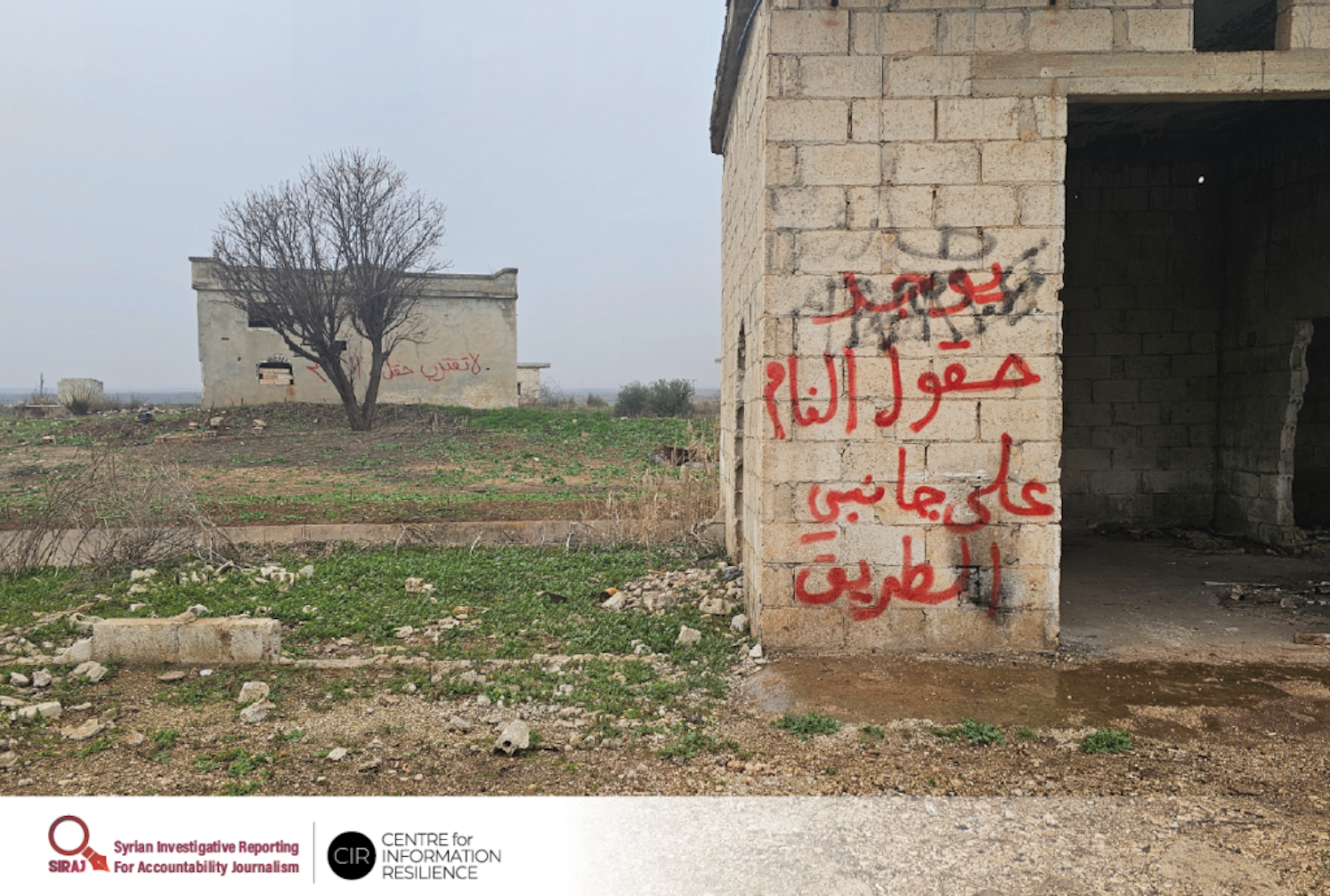
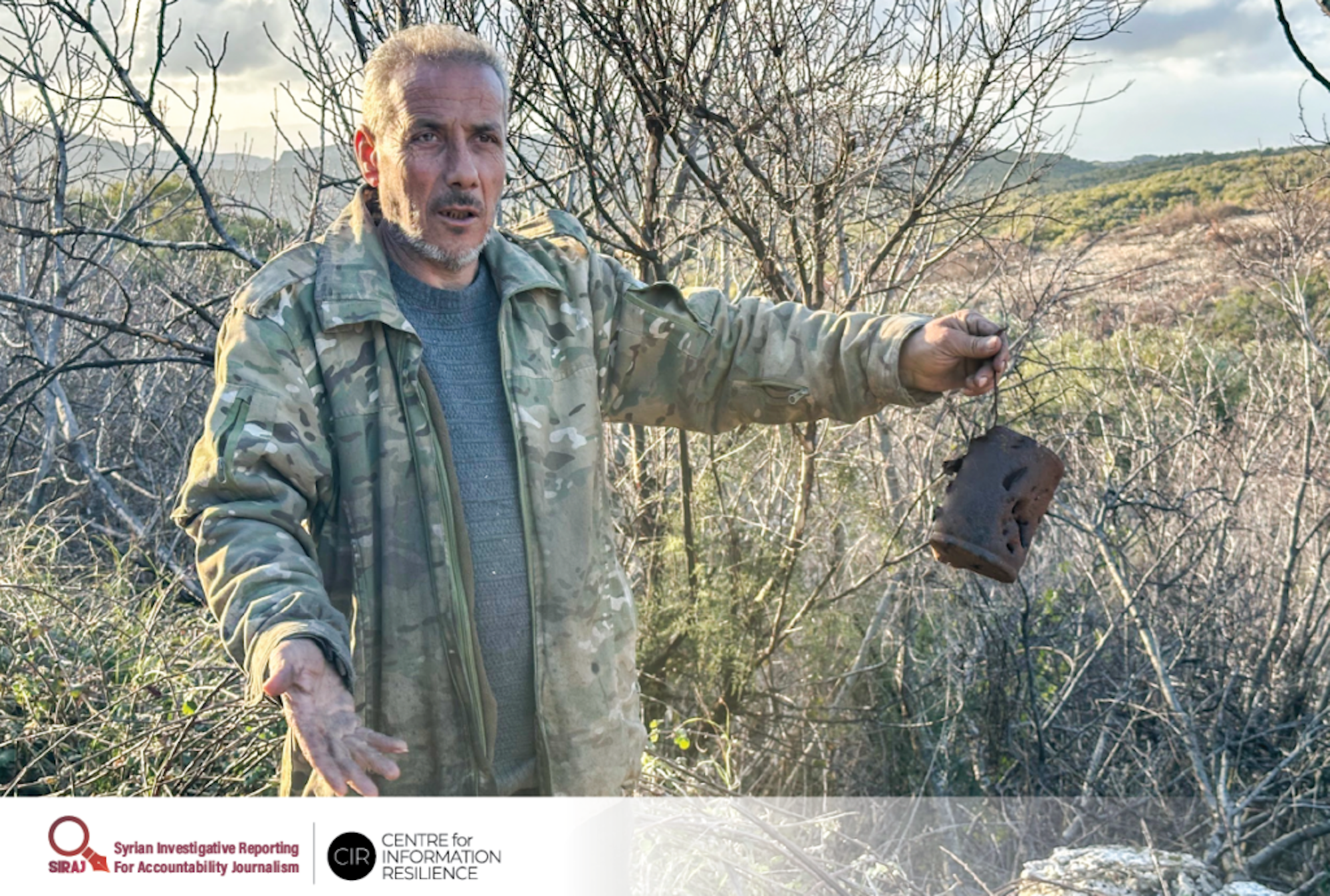
Since the start of the Syrian revolution in 2011, mines have killed thousands of Syrians and injured thousands more. In collaboration with CIR, this investigation by the Syrian CSO SIRAJ, reveals a systematic campaign by the Assad regime to use mines to cause long-term human, material, and environmental harm that could last for decades.
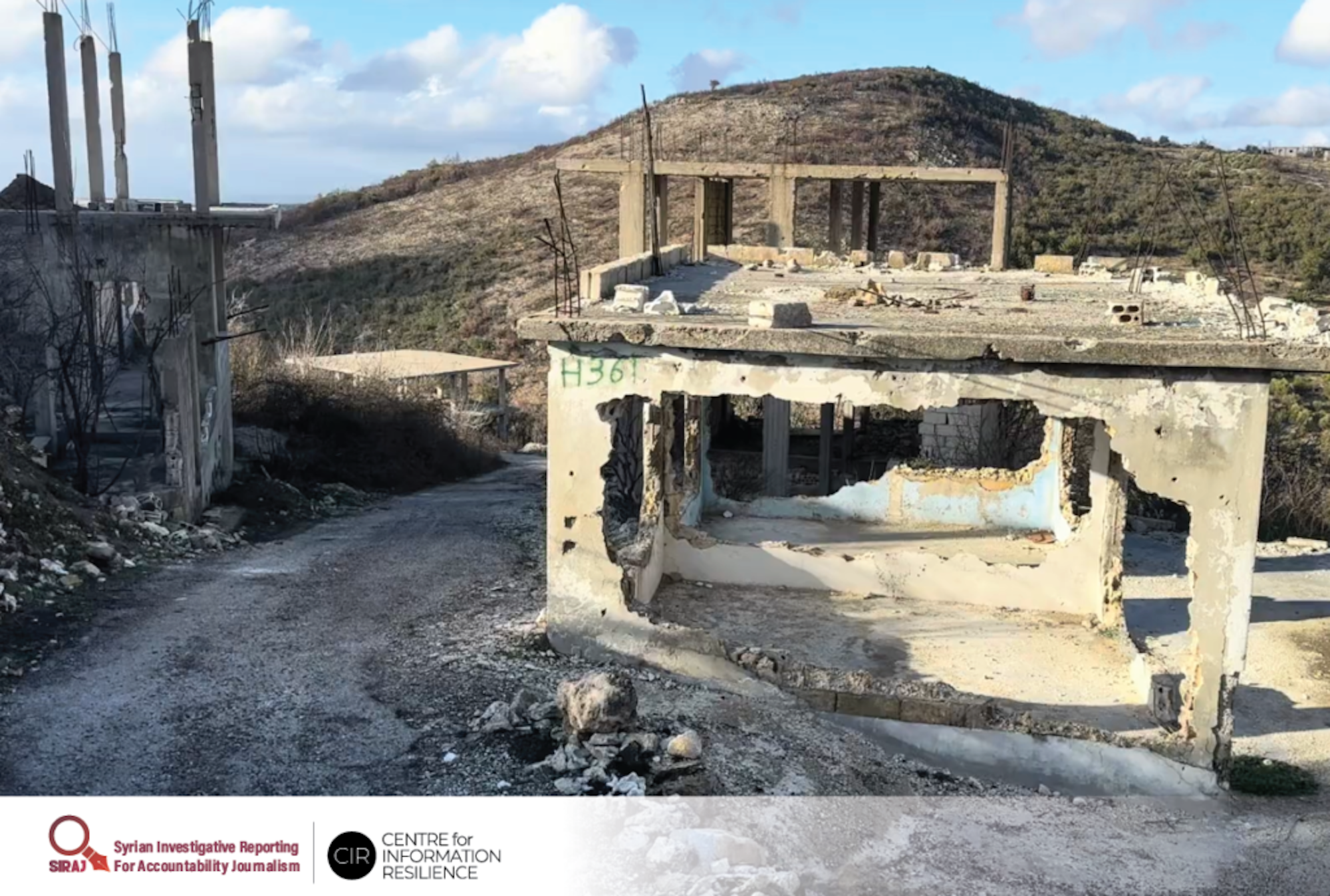
On 7 February 2026, seven-year-old Jana Rajbou was playing near what remained of her relatives’ home in the village of Ako in the Latakia countryside, when a large explosion shook the area. Her family rushed to see what was happening and found the 7-year-old girl injured by a landmine explosion, which had resulted in the amputation of her right leg. Doctors inserted metal pins into her left leg as well, which had also been struck by shrapnel.
A relative, Abdullatif Rajbou, described the tragedy to SIRAJ during a visit to Jana’s family, who had recently returned after 12 years of displacement to live amid the ruins of their destroyed home in rural Latakia. He also spoke of the constant fear of hidden landmines: “Demining teams removed 140 mines from my land, including a tank mine, as well as eight detonators for which we did not find the associated mines. We are not afraid of the mines we can see, but rather those that are hidden.”
The ‘hidden mines’ Abdullatif refers to are not confined to the village of Ako. They are a reality experienced by thousands of Syrians in areas that were previously on the front line between Syrian opposition forces and the Syrian regime forces. The areas are now littered with mines and unexploded remnants of war, posing a continuing threat that may persist for years.
This investigation by the Syrian Investigative Journalism Unit, SIRAJ, in collaboration with CIR, draws on open-source tools, interviews with residents and victims, and field visits to examine the reality and conditions in some of the towns and villages that previously lay along former frontlines in the southern countryside of Idlib, Hama and Latakia. It documents the suffering of their residents due to the danger, including the human, livelihood, and environmental costs they pay as a result, and the impact on the present and future return of displaced Syrians.
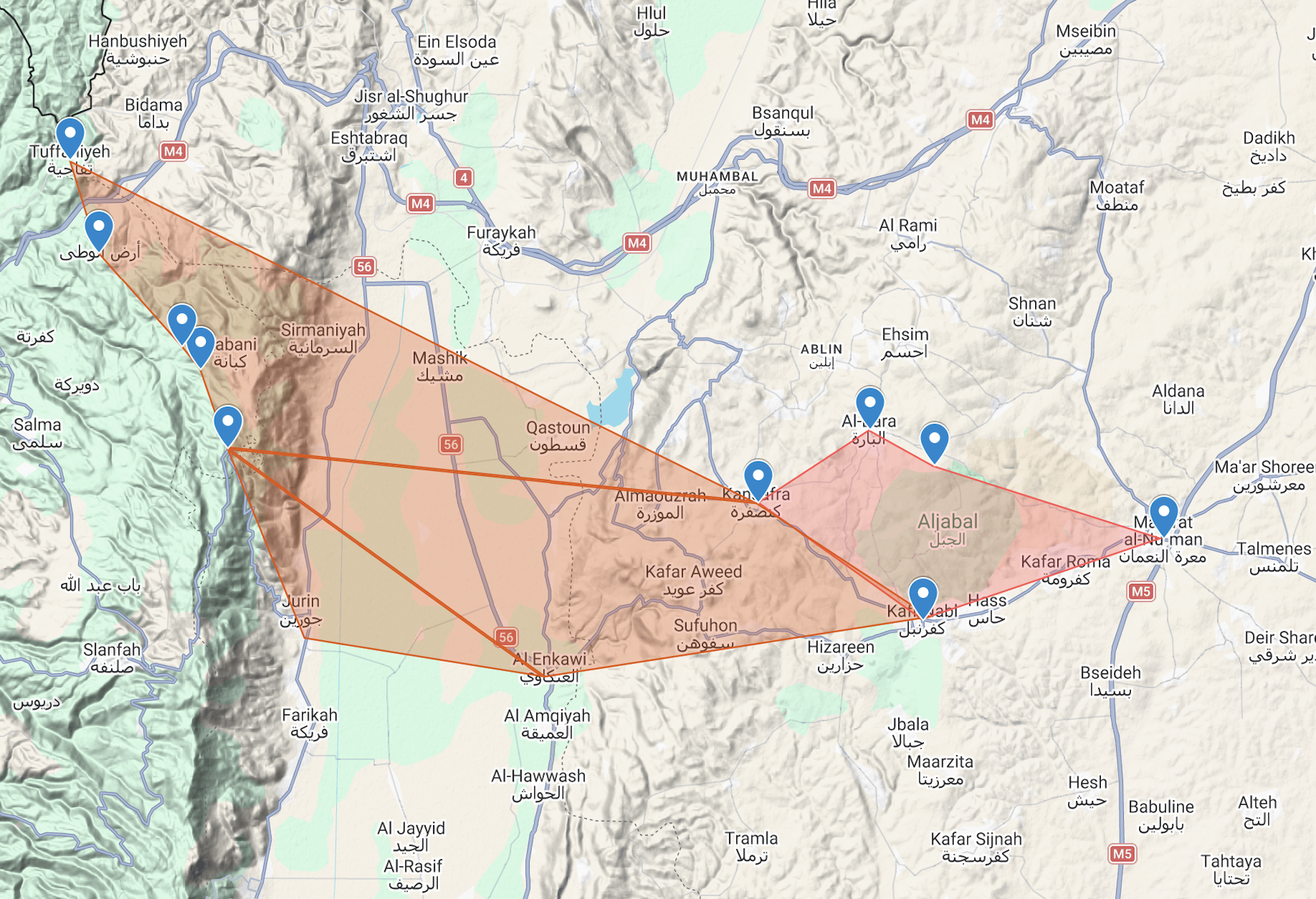
By collecting dozens of reported deaths and injuries in that area using open-source material and databases maintained by independent organisations, determining approximate geographical locations, and tracking patterns of those incidents, SIRAJ concludes that agricultural land was a primary target of minelaying along the line of contact.
Based on observed mining patterns in specific areas of the former frontline, SIRAJ estimates that 13,700 hectares of agricultural and civilian land remain at risk from mines. The cost of demining this area alone amounts to US$137 million (approximately SYP 15.2 billion at the official exchange rate).
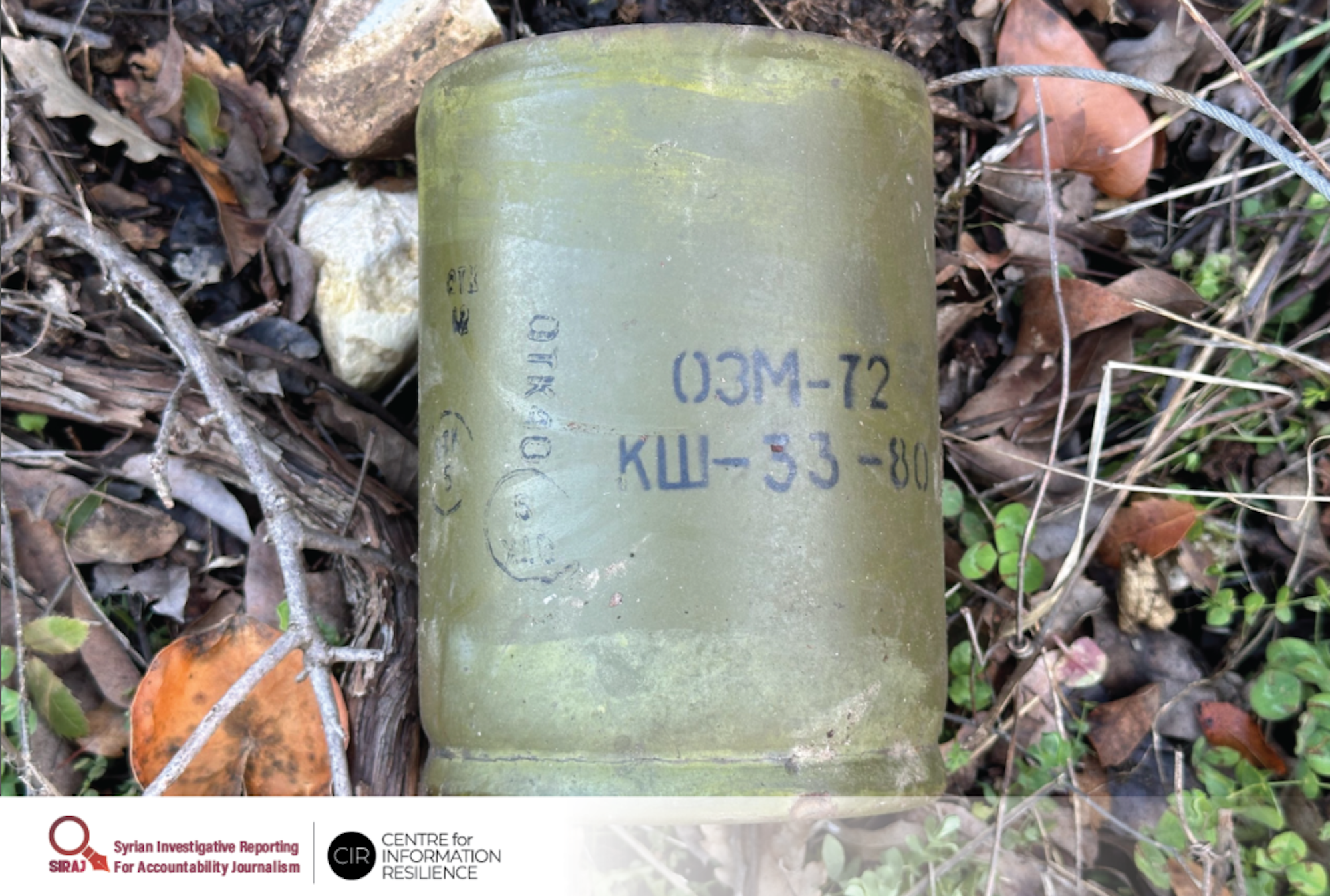
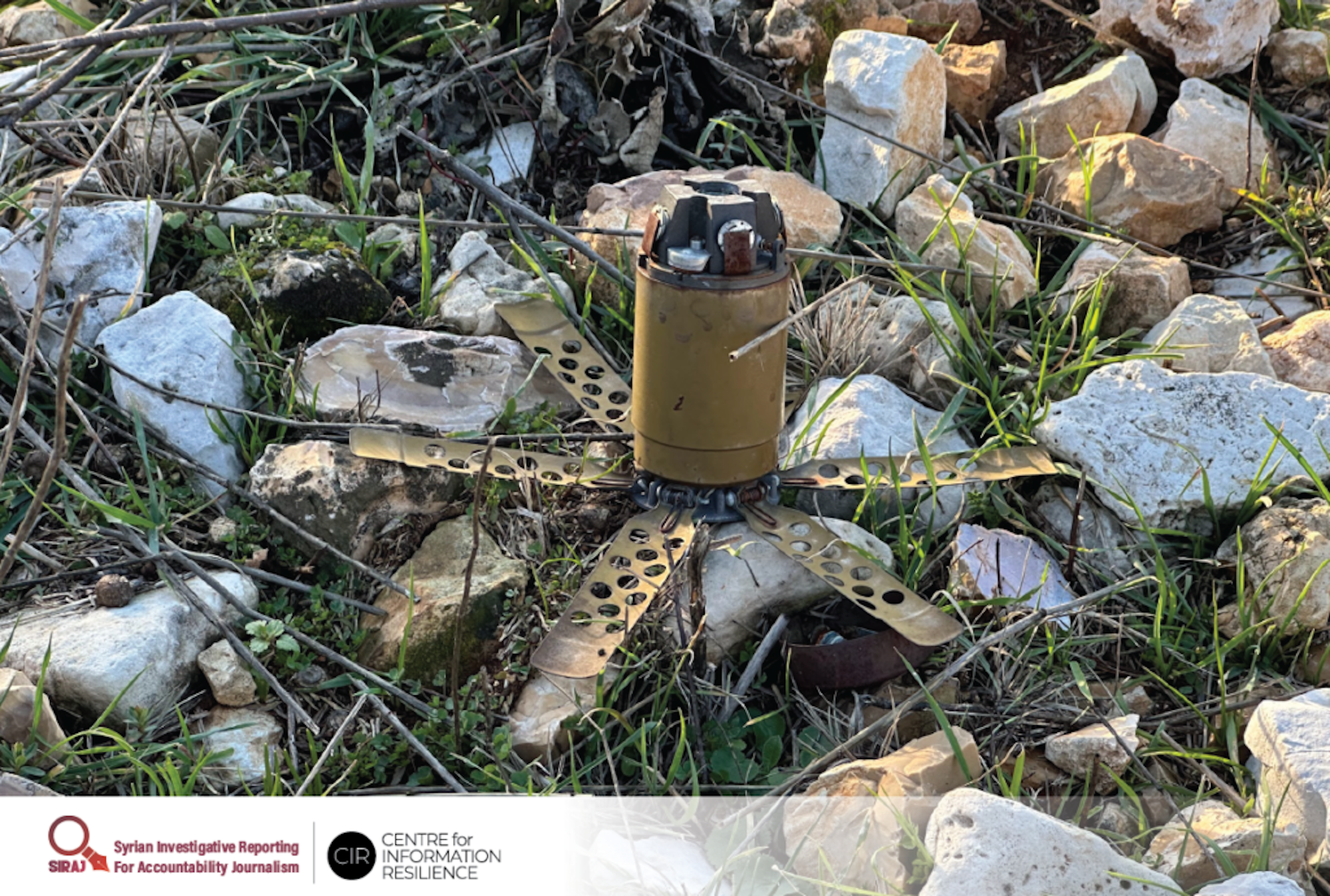
SIRAJ also conducted field visits in rural Hama and Latakia, which enabled documentation of the most prominent types of mines scattered in that area. Many were manufactured in the Soviet era and were held by the former government’s forces, posing a threat to civilians, civilian vehicles and military vehicles.
The landmines are closely linked to the 14-year military campaign waged by the former Syrian regime against the opposition between 2011 and 2024, and to the repeated shifts in control over large parts of the country, especially in what later became known as the “lines of contact”.