Building safer digital spaces in Ethiopia: TikTok and CIR’s joint efforts to tackle TFGBV in Ethiopia

3 min read

CIR

CIR 's photo

Share Article

Earlier this year, our report ‘No Safe Scroll: Investigating gendered hate speech on TikTok and YouTube in Ethiopia’ revealed a stark reality: ,gendered abuse and harassment are shaping how women engage — or withdraw — from online spaces, particularly TikTok.

In the weeks following publication, we heard from TikTok’s Africa team, who were keen to engage directly with the data, the findings, and the people behind them. The findings sparked important conversations about responsibility, safety, and what meaningful action could look like. Together, we set out to create a space for dialogue and collaboration.

Technology is the present and the future. We have to create a safe way for people to use it!

Earlier this month, that collaboration came to life. In Addis Ababa, the Centre for Information Resilience (CIR) and TikTok co-hosted a Forum on Tech-Facilitated Gender-Based Violence on TikTok. We had the privilege of bringing together our network from across Ethiopia’s media, civil society, and activism communities as well as development partners and UN agencies for a unique conversation on online safety. What made the discussion so powerful was its diversity — voices from across sectors, all united by one concern: how to ensure that people in Ethiopian public life can participate online without fear or harassment.

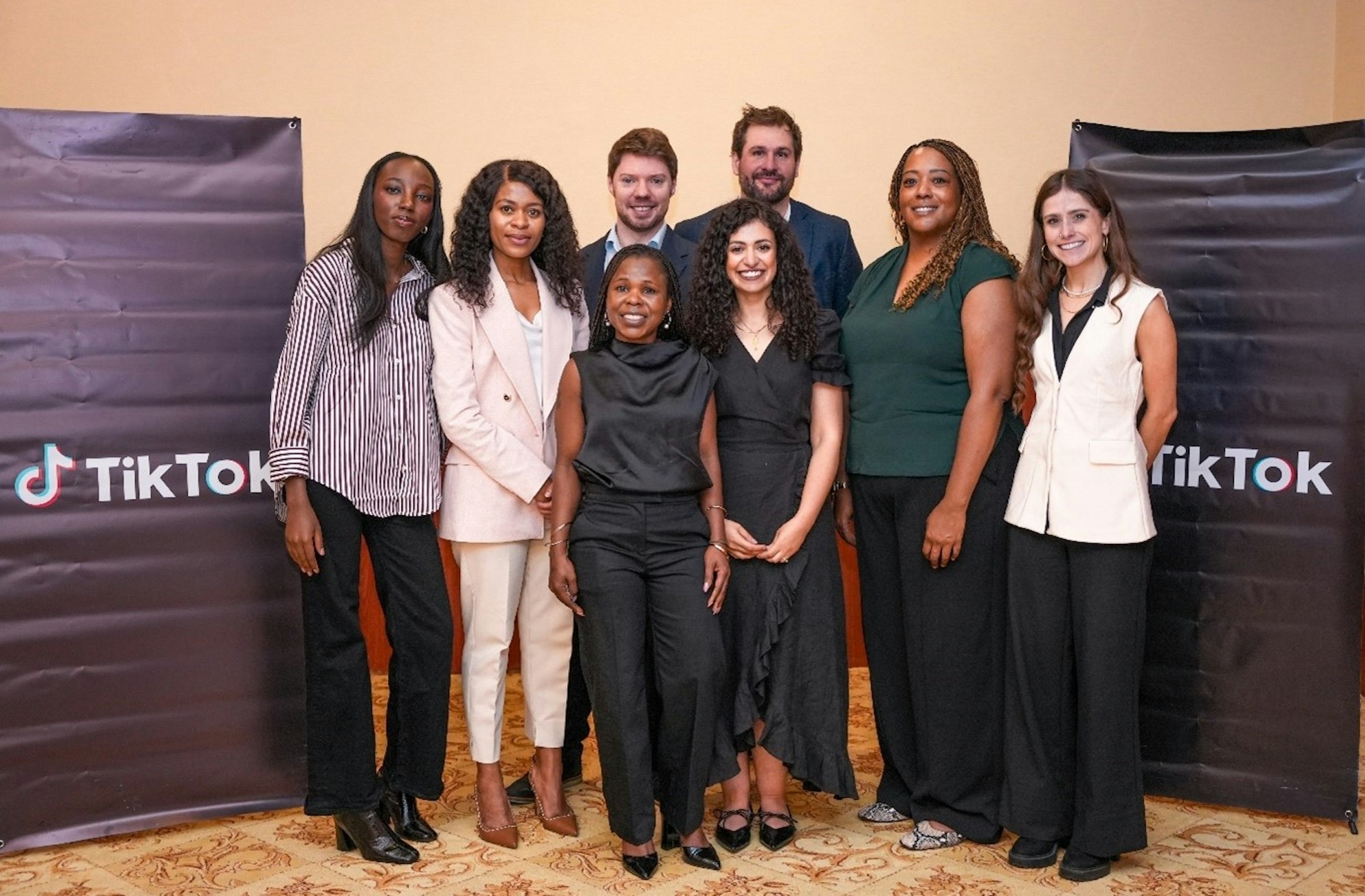
Image: Representatives from TikTok and CIR at the forum in Addis Ababa. Credit: Sintayehu Arega

At CIR, our research has shown that women journalists, politicians, and creators frequently face gendered abuse that undermines their confidence and limits their participation in public life. These harms are not abstract — they silence critical voices, distort public discourse, and reinforce offline inequalities. The forum was dedicated to changing that reality, confronting TFGBV and exploring how we can collectively make digital spaces safer and more inclusive.

Through the forum, TikTok and CIR aimed to bridge research with real-world action. As CIR’s Director, Nadine Naguib noted during the event:

Addressing online harms, including TFGBV, requires more than policies. It demands deep local understanding, data-driven insights, and collaboration across sectors. Building on UK-Funded CIR research, these workshops focused on the lived experience of women in Ethiopian public life, from journalists and politicians to activists and influencers. We are pleased to partner with TikTok in developing research-backed strategies to co-create safer digital spaces, ensuring community voices are at the heart of online safety.

That spirit of collaboration was evident throughout the day. TikTok’s Outreach & Partnerships Manager for Sub-Saharan Africa, Duduzile Mkhize, reminded us that the platform’s safety efforts depend on listening to users and communities:

To truly understand our local community, we must first understand their world. We recognise the diversity of our global community and the importance of understanding what helps them feel safe, so that they are empowered to have their best experience. As we learn more, we do more.

The discussions were candid, constructive, and future focused. In the morning, the TikTok team presented their existing features for keeping users safe, before presentations from seven local organisations, who shared valuable insights into the challenges they’ve observed on the platform and offered practical recommendations to improve safety.

In the afternoon’s breakout sessions, participants spoke openly about their lived experiences and the critical need for moderation in Ethiopia’s many local languages. Civil society leaders also underscored the importance of digital literacy initiatives, stronger community-based reporting mechanisms, and improved psychosocial support for survivors.

Youth volunteers from Media Smart Youth Ethiopia, said;

The feeling in the room was optimistic. Participants appreciated TikTok’s commitment to building a platform that uplifts and protects its diverse communities. Desere Nigatu, Executive Director, Ethiopia Editors’ Guild, said: “We commend TikTok’s proactive engagement with professionals in the media space… Tackling tech-facilitated gender-based violence requires a united front, and we welcome TikTok’s commitment to working alongside the media industry to build safer digital spaces. Empowering women to participate fully and safely in media is not just a digital issue, it is a democratic imperative.”

The day reaffirmed a crucial lesson from CIR’s work: technology companies, researchers, and local communities must move beyond parallel conversations. Real progress happens when these groups co-design solutions grounded in both evidence and empathy.

As these conversations continue, one message stands out clearly: online safety is not just a technical issue — it’s a human one. True progress depends on collaboration between platforms, researchers, and communities, to create digital spaces where all voices — especially women’s — can thrive. As Dudu Mkhize, TikTok’s Outreach & Partnerships Manager for Sub-Saharan Africa, reflected: “Safety is at the heart of everything we do. These forum is about listening to people with lived experiences, learning from local communities, and building solutions together. Because creating safe spaces online isn’t just about technology, it’s about humanity..”

The roundtable demonstrated TikTok’s willingness to reflect on the harsh truths identified in our research, engage directly with Ethiopian users and civil society, to learn from those most affected, and to integrate that learning into platform safety strategies. It was not just a dialogue — it was a call to action.

Latest reports, direct to your inbox

Be the first to know when we release new reports - subscribe below for instant notifications.

Share Article