Beaches, bridges, and hospitals: verified strikes show deepening impact on Lebanese civilians

6 min read

CIR

CIR 's photo

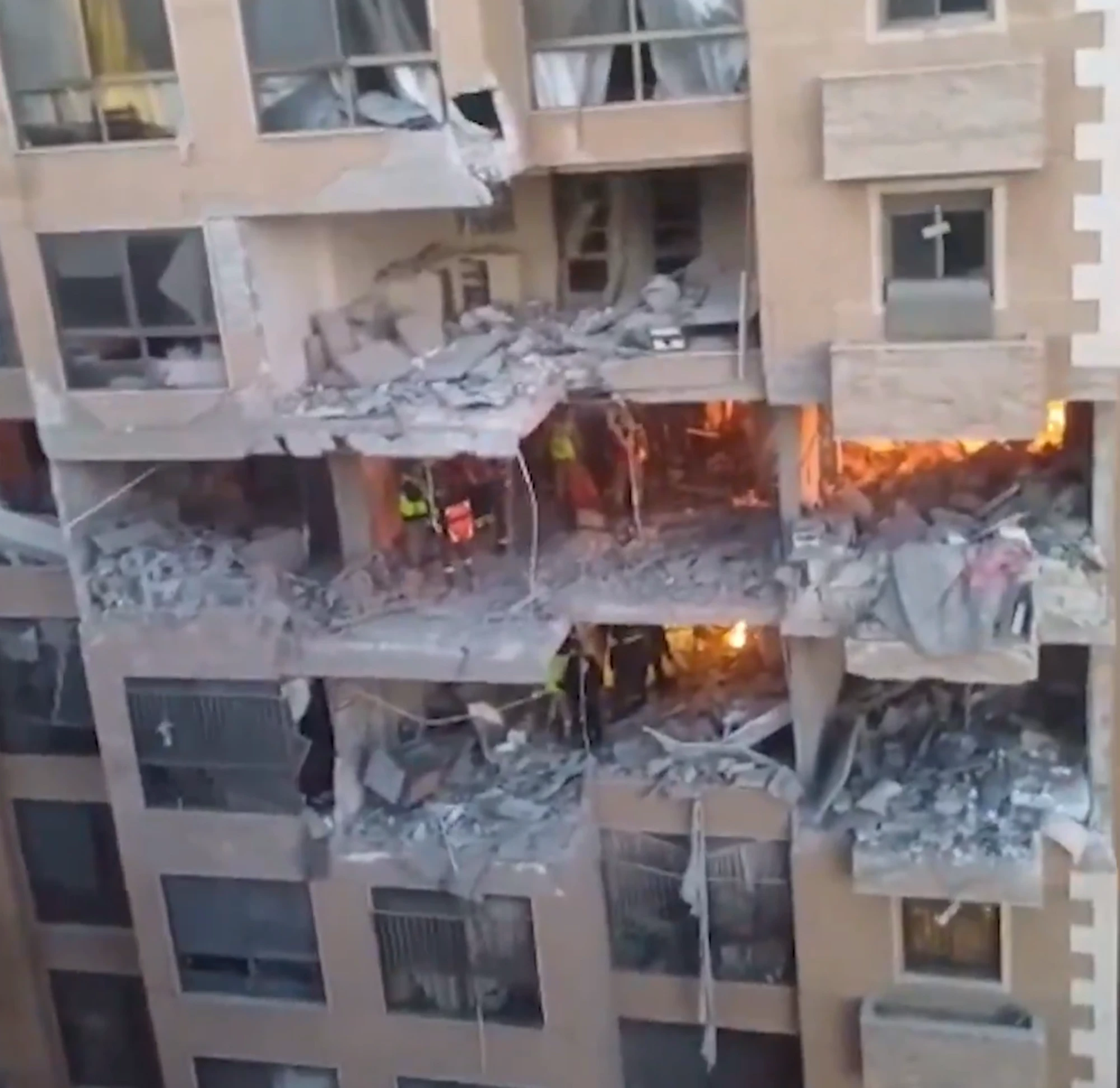
Footage showing a fire and damage at a high-rise residential building in northwestern Beirut, Sources: Google Earth Pro, Airbus (30/10/2025). Source: X.

Share Article

As Israel’s evacuation zone expands northward into Lebanese territory, CIR has documented strikes landing inside it and troops advancing deeper. With over 1 million self-reported IDPs and 133,492 IDPs in collective shelters as of 18 March 2026, the reality on the ground appears to increasingly diverge from evacuation orders.

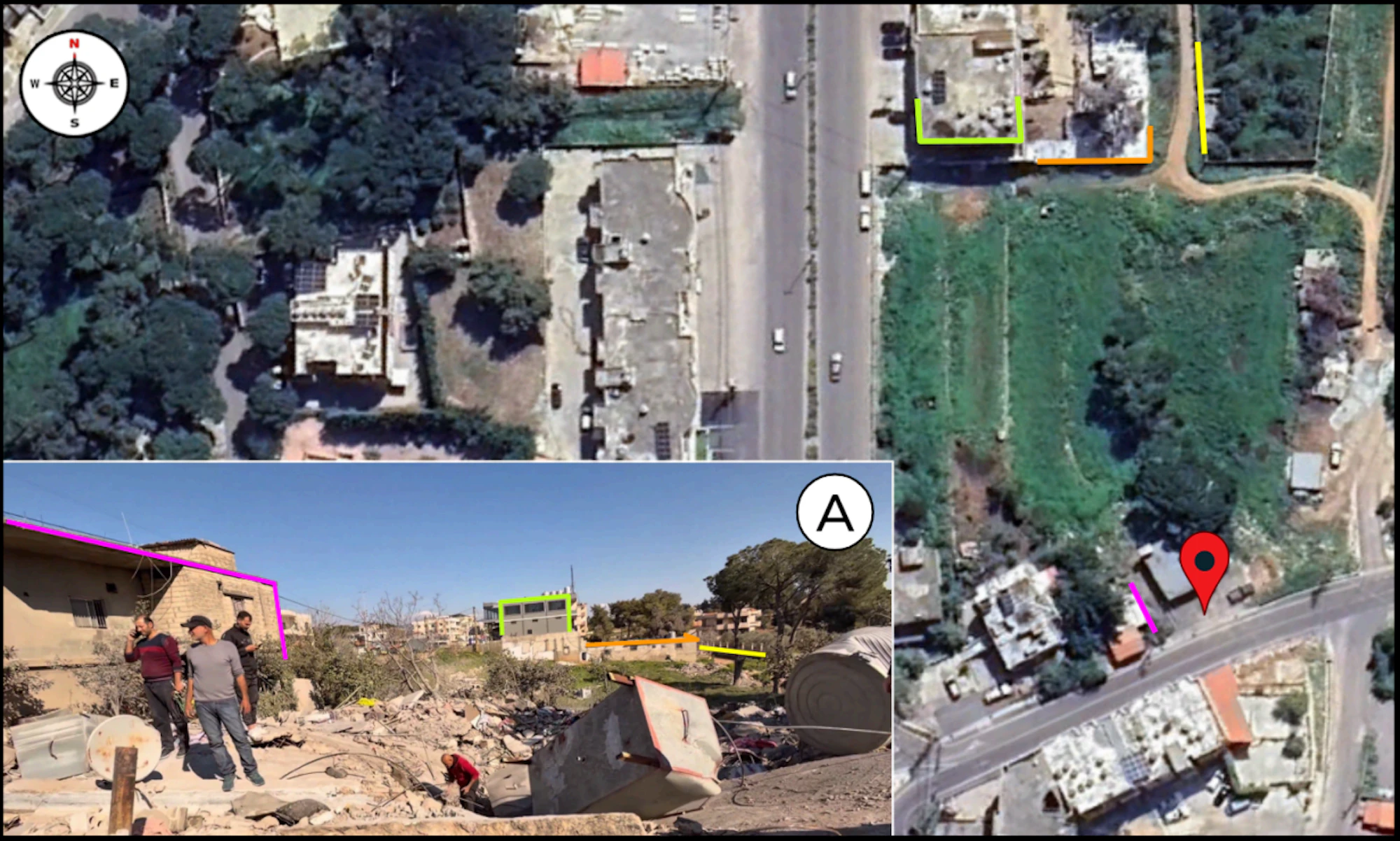
On 11 March 2026, a drone strike hit a residential building in the Aisha Bakkar neighbourhood of northwestern Beirut, an area with no previously verified strikes since hostilities resumed on 2 March 2026. CIR verified three pieces of content from the scene, including footage showing at least three collapsed floors, fallen exterior walls, and an unexploded missile being loaded onto a pickup truck by individuals in military uniforms. According to Al Jazeera, the building is located in a densely populated residential area with no known Hezbollah presence. No evacuation order was issued before the strike, and the IDF has not commented on it.
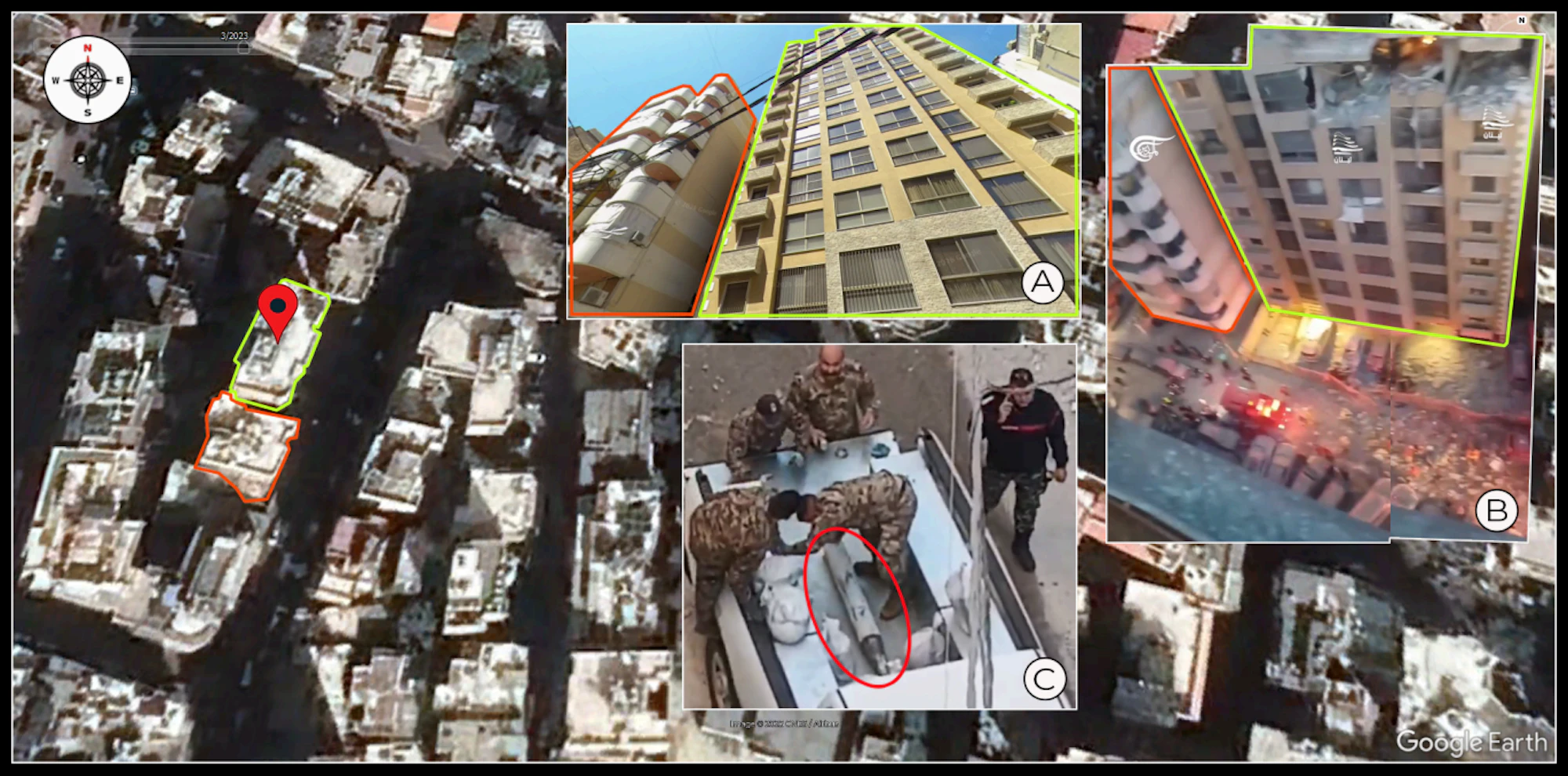
Geolocation of footage showing a fire and damage at a high-rise residential building in northwestern Beirut, as well as an unexploded missile, at coordinates: 33.8880, 35.4875. Sources: Google Earth Pro, Airbus (30/10/2025); A: Google Street View (04/2023); B: X, C: X

The incident is one of several verified by CIR between 9 and 13 March 2026 that point to a significant expansion of Israeli military activity across Lebanon, in the geographic reach of airstrikes, the scale of civilian impact, and the depth of ground operations in the south.


Airstrikes expand in scale and reach

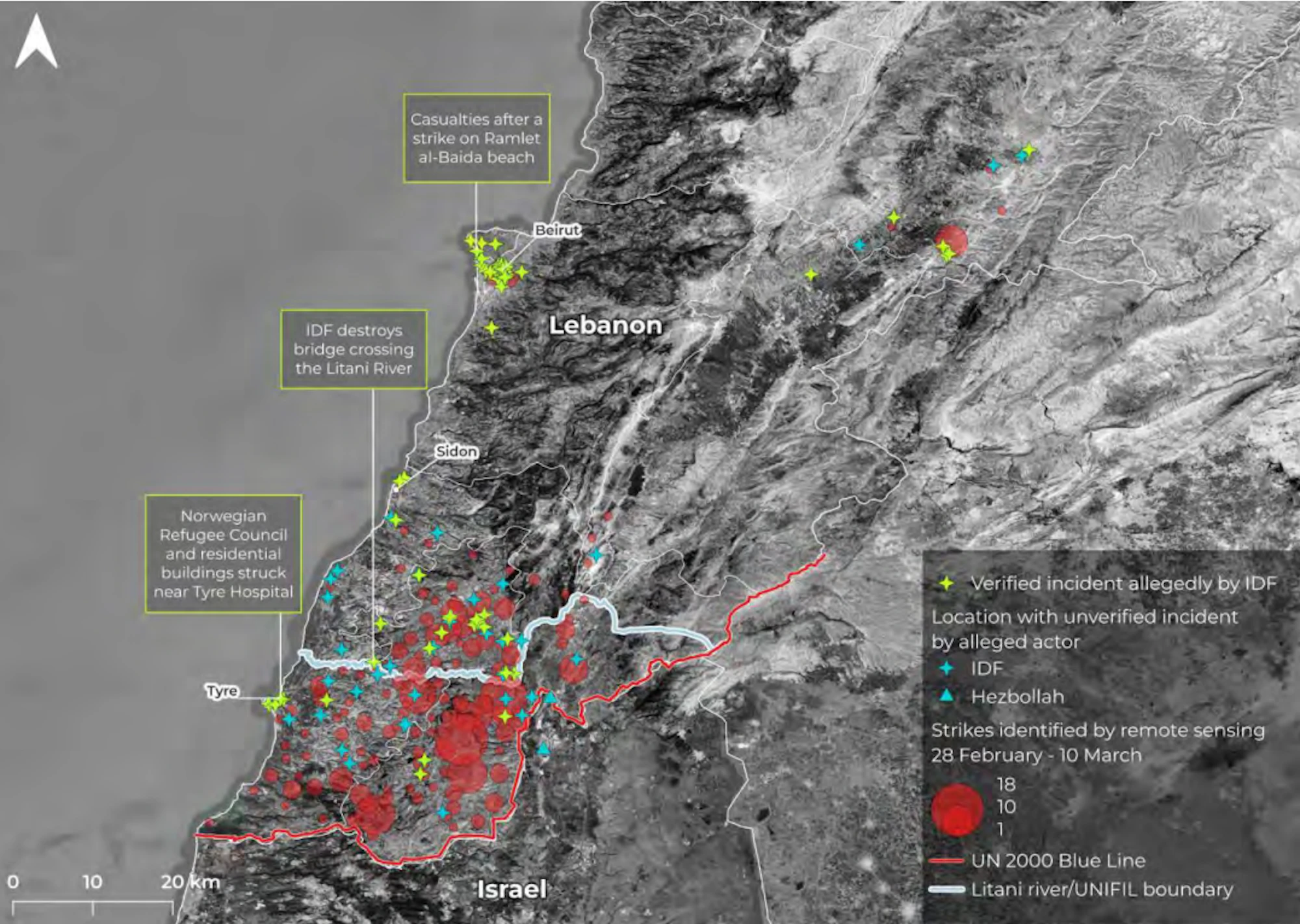
Since CIR’s last update on 11 March 2026, CIR has verified a total of 139 pieces of footage showing reported Israeli airstrikes and their aftermath across Lebanon, including 71 in Beirut and its suburbs. Alongside this open-source analysis, CIR employed remote sensing techniques to identify a further 433 likely strike locations by comparing satellite imagery from before and after 2 March 2026. The Lebanese Disaster Management agency reported on 18 March that casualties have risen to 968 dead and 2,431 injured, an 25% increase in combined casualties in just 5 days. Over 1 million  individuals have now self-registered as displaced, with 133,492 in collective shelters.

Map of incidents reportedly caused by the IDF from 2 to 13 March 2026 across Lebanon. Map image credit: Google Earth Pro, Landsat/Copernicus (01/01/2021).

The scale of displacement is in part a consequence of expanding IDF evacuation orders. On 12 March 2026, the IDF’s Arabic Spokesperson Avichay Adraee issued the largest evacuation order since hostilities began, covering all areas south of the Zahrani River, approximately 40km north of the Blue Line, significantly extending beyond the previous order which covered areas south of the Litani River, 23km north of the Blue Line. As the incidents below illustrate, however, strikes have continued to hit areas outside the designated evacuation zones, and in some cases within the areas that civilians had been directed towards.


Strikes on health and humanitarian facilities

Among the most significant incidents verified during this period was the destruction of a health authority centre in Zefta, Nabatieh District. CIR verified footage from 10 March 2026 showing the building had been completely destroyed, with widespread debris, rubble, and visible blood stains among the wreckage. The Lebanese Ministry of Health stated that the strike killed one paramedic and injured two others. CIR did not identify any relevant IDF evacuation order or statement relating to the incident. Notably, Zefta is located approximately 14km north of the Litani River, within the area that Israeli evacuation orders had directed civilians towards.

CIR verified footage showing the destruction of a health authority centre in Zefta after an alleged Israeli strike, at coordinates: 33.4427, 35.4036. Sources: Google Earth Pro, Airbus (31/03/2024); A: X.

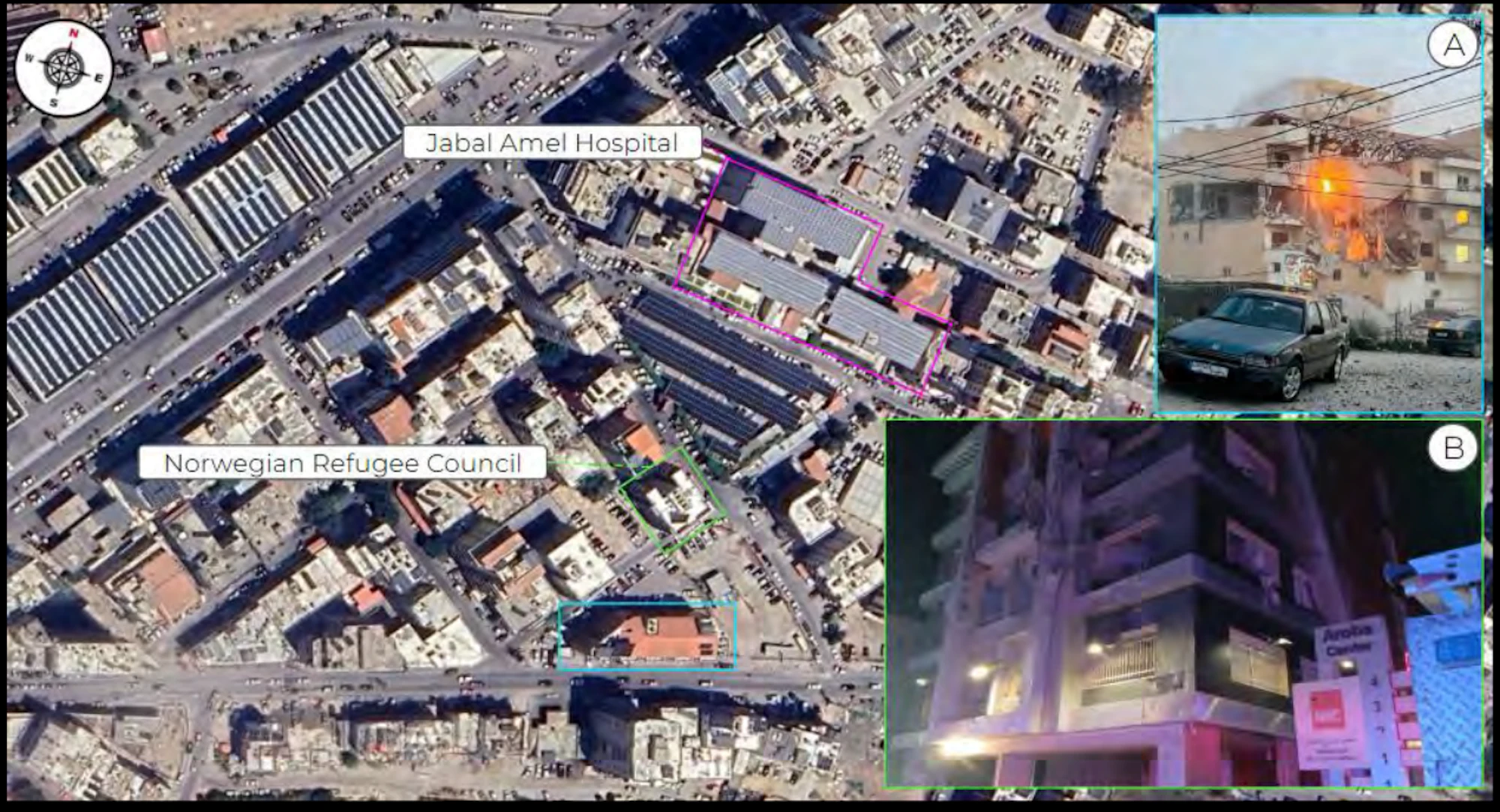
A similar pattern was documented in Tyre. CIR verified two images from 11 March 2026 showing damage to buildings near the Jabal Amel Hospital in eastern Tyre. The Norwegian Refugee Council (NRC) building, located approximately 70m from the hospital, sustained damage to its facade and had its windows blown out. NRC Secretary General Jan Egeland stated that the strike occurred at the time of iftar, and confirmed the building’s location had been notified to all parties through the UN. A nearby residential building, approximately 110m from the hospital, was also struck, with an active fire visible across multiple collapsed floors. The Lebanese National News Agency reported one death and 14 injuries. As with Zefta, CIR did not identify any IDF statement relating to either incident.

CIR verified two images showing damage to a residential building and a refugee council building in eastern Tyre, southern Lebanon. Both buildings are located within approximately 110 metres of Jabal Amel Hospital. Sources: Google Earth Pro, Airbus (25/06/2024); A: Telegram; B: X.

Casualties at Ramlet al-Baida beach

The reach of strikes into civilian areas was further documented on the coast of central Beirut. CIR verified eight pieces of content from 11 and 12 March 2026 showing the aftermath of a reported IDF strike near Ramlet al-Baida beach. Three civilian vehicles on Rafic Hariri Street were destroyed, and CIR verified images showing at least five deceased individuals at the scene, all of whom appeared to be unarmed.

CIR identified three probable impact points. Damage patterns on one vehicle, a silver Honda CR-V, showed markings consistent with both shrapnel and a fragmentation round, and CIR assessed these to be compatible with a drone-launched Mikholit missile, based on fragments documented at the scene. According to Al Jazeera, the Lebanese Ministry of Health reported eight people killed and 31 wounded. The area had not been previously struck and many displaced civilians had been camping on the beach after fleeing Beirut’s southern suburbs, reportedly considering it safe. No evacuation order was issued before the strike, and the IDF has not commented.

Infrastructure targeted

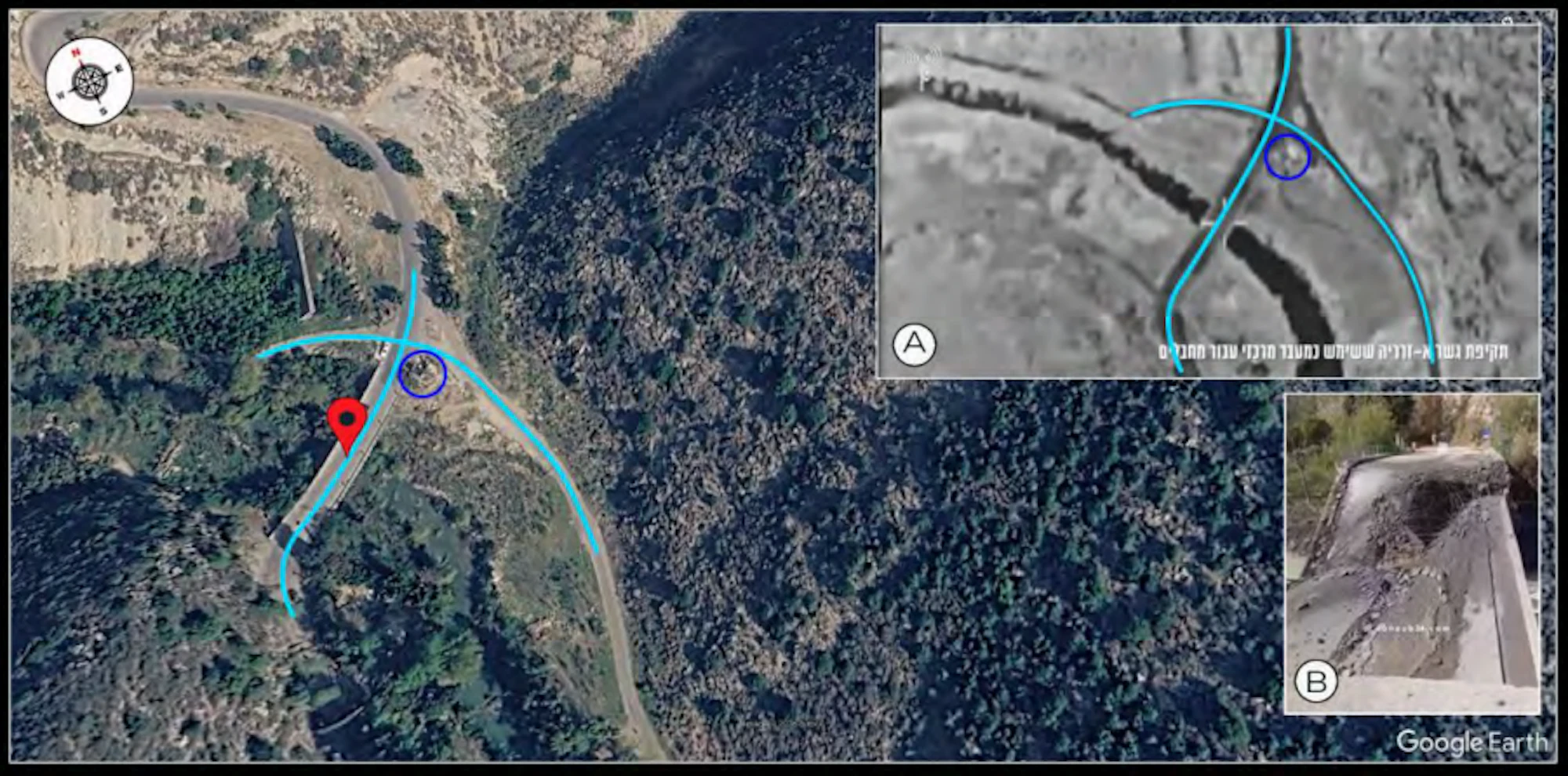
Beyond residential and humanitarian sites, CIR also verified the destruction of key civilian infrastructure. On 13 March 2026, CIR verified IDF footage showing an airstrike on the Zrariyeh Bridge, which crosses the Litani River in southern Lebanon. Aftermath footage showed the bridge had collapsed, with a likely crater at its centre and rubble on the nearby riverbanks. The IDF stated the bridge was used by Hezbollah to move between northern and southern Lebanon, though Reuters reported that the IDF provided no evidence for this claim, and noted it appeared to be the first time Israel had publicly acknowledged attacking civilian infrastructure during the current campaign.

The destruction carries particular significance given the IDF’s own evacuation orders. Since 2 March 2026, the IDF has issued at least four orders directing civilians in southern Lebanon to cross the Litani River and move northwards. The destruction of the Zrariyeh Bridge may prevent some evacuees from following these instructions.

CIR verified the IDF’s destruction of the Zrariyeh Bridge on the Litani River in southern Lebanon, at coordinates: 33.326547, 35.343037. Sources: Google Earth Pro, Airbus (22/11/2025); A: X ; B: X

Ground presence deepens in southern Lebanon

Israeli ground activity in southern Lebanon has continued to expand in parallel to airstrikes. On 12 March 2026, Israeli Minister of Defense Israel Katz announced that the military had been instructed to prepare for an expansion of operations, stating that if the Lebanese government could not prevent Hezbollah from threatening northern Israeli communities, Israel would “take the territory” itself. The IDF confirmed on both 12 and 13 March that troops were conducting targeted raids in southern Lebanon as part of what it described as a “forward defensive posture.”

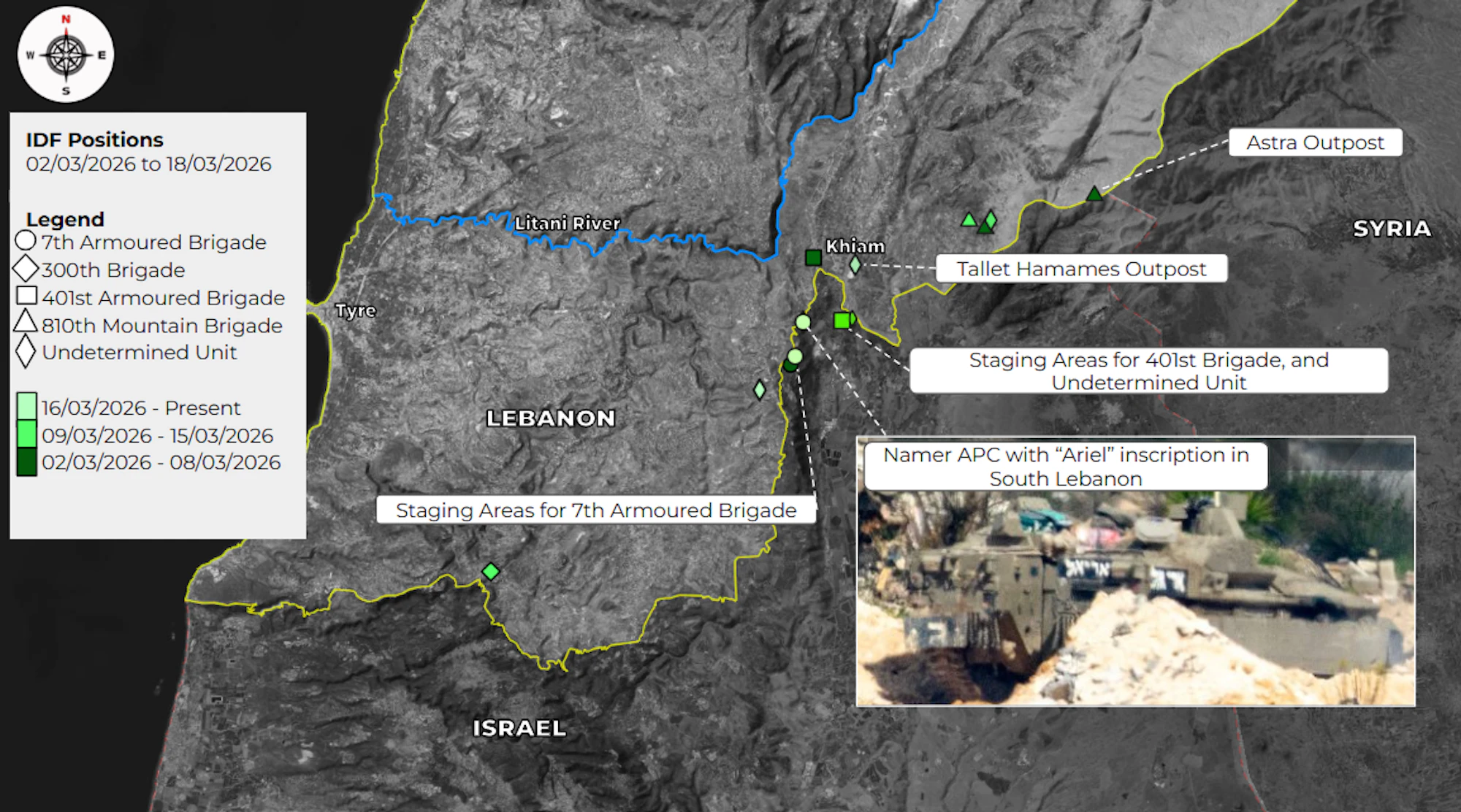
CIR verified an image shared by the IDF on 12 March 2026 showing at least seven soldiers from the 810th Mountains Brigade marching on Mount Dov, approximately 2.8km inside Lebanese territory, this is the furthest IDF position inside Lebanon verified by CIR since 2 March. CIR has now verified a total of eight pieces of content showing IDF troops within Lebanese territory since the start of the reporting period.

Map of verified IDF positions from 2 to 18 March 2026, including staging areas, forward outposts, and unit attributions across southern Lebanon and northern Israel. Source: CIR.

Armoured formations massed near the Blue Line

Alongside the verified ground incursions, CIR has conducted in-depth attribution analysis of IDF armoured vehicles observed within Israeli territory near the Blue Line, suggesting significant additional forces are positioned close to the border. CIR verified the presence of Merkava IV Main Battle Tanks (MBTs) and Namer Armoured Personnel Carriers (APCs) from seven separate IDF battalions.

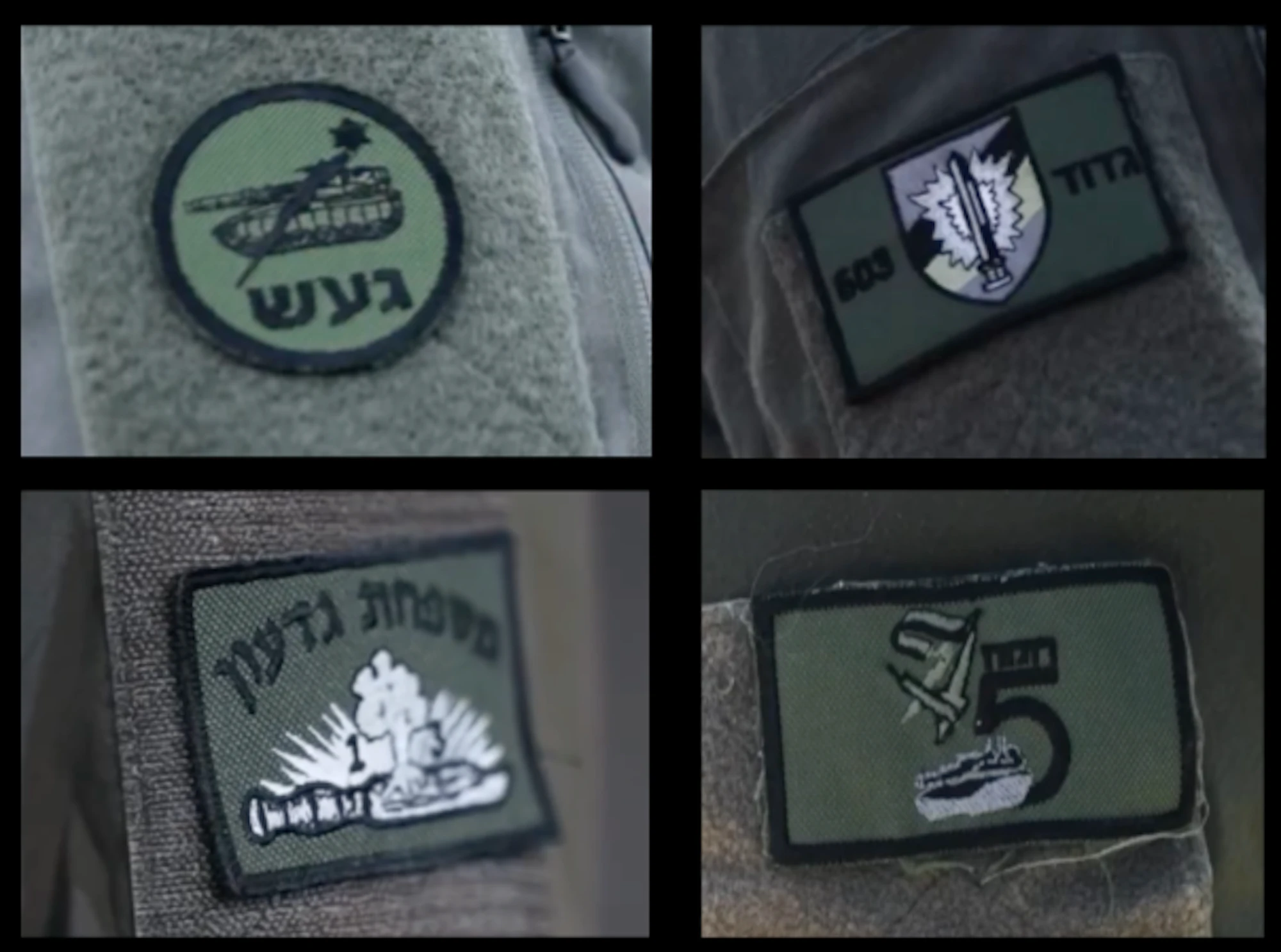
At a position approximately 1.7km north of Mergaliot, CIR verified nine Merkava IV MBTs and one Namer APC belonging to the 1st Company, 3rd Battalion of the 7th Armoured Brigade. A second cluster of vehicles was identified approximately 300m from the Blue Line, with markings consistent with the 1st, 3rd, and 4th Companies of the Brigade’s 1st Battalion. Footage shared on the 7th Armoured Brigade’s own Instagram page on 11 March confirmed the further presence of the 603rd Lahab, 75th Lancer, 82nd Gaash, and 13th Golani Battalions at the same location. CIR also verified a Merkava IV MBT from the 401st Armoured Brigade being transported south on a flatbed truck in Qiryat Shemona on 5 March, one day after a Hezbollah anti-tank guided missile struck an IDF tank approximately 10km to the north.

CIR verified unit patches from the Lahab, Lancer, Gaash, and Golani battalions within footage shared by the 7th Armoured Brigade on 11 March 2026, which was geolocated to northern Israel, at coordinates: 33.2375, 35.5493. Source: Instagram.

The pattern that emerges across CIR’s verified findings between 9 and 13 March –  sustained airstrikes, advancing troops, and armoured forces massed at the border – points to a conflict that is deepening, with civilians bearing a growing share of the consequences.

Latest reports, direct to your inbox

Be the first to know when we release new reports - subscribe below for instant notifications.

Share Article