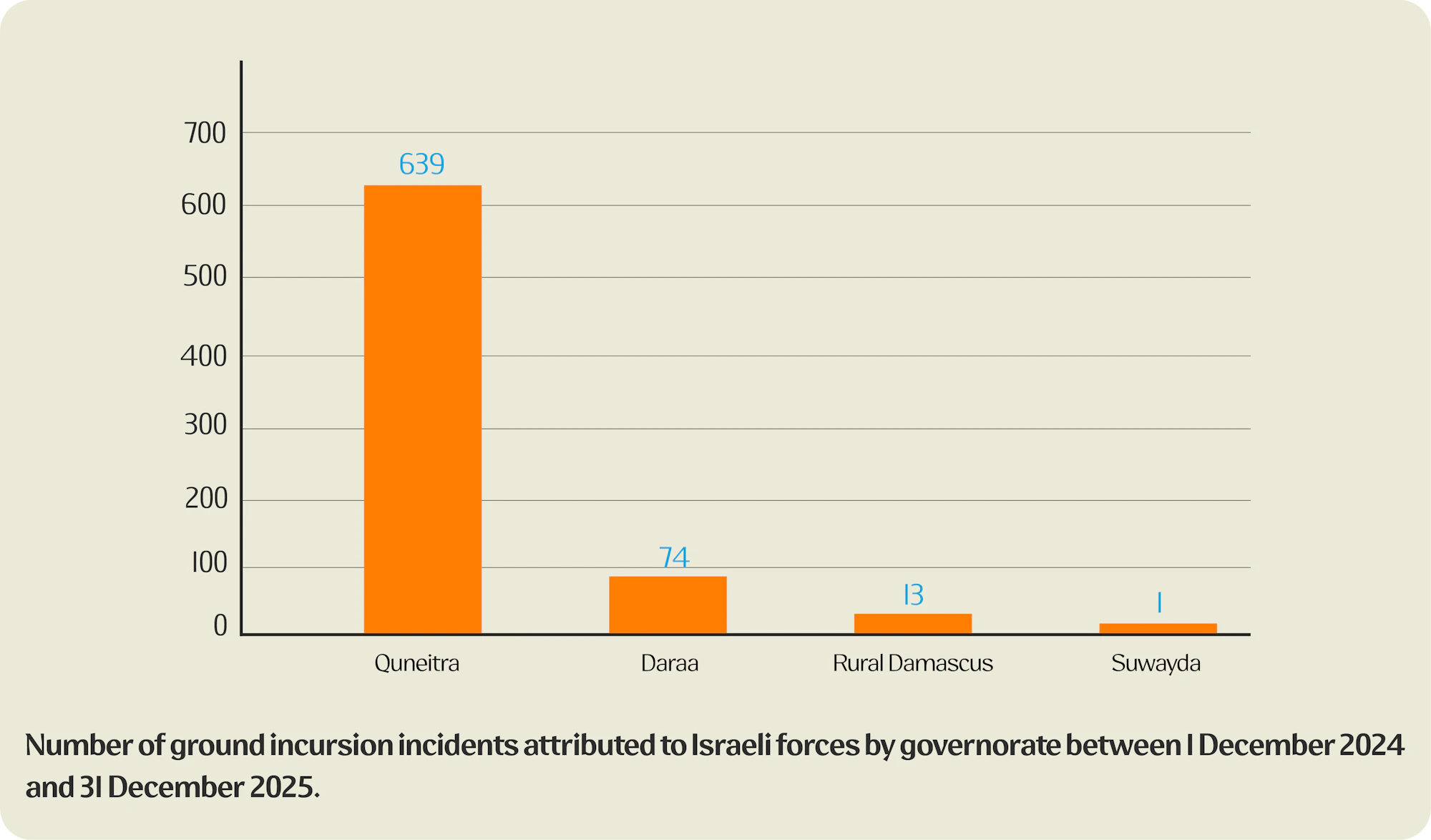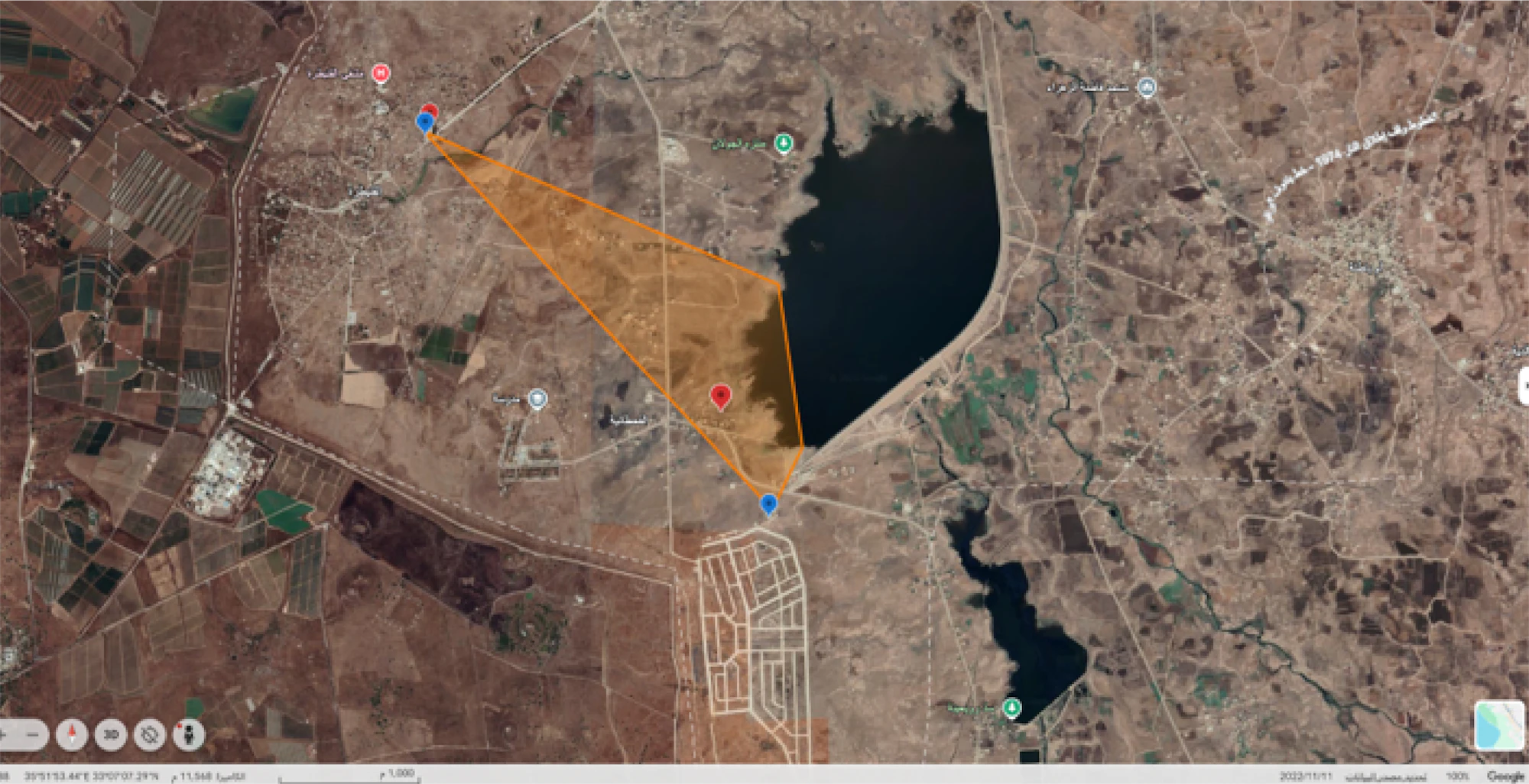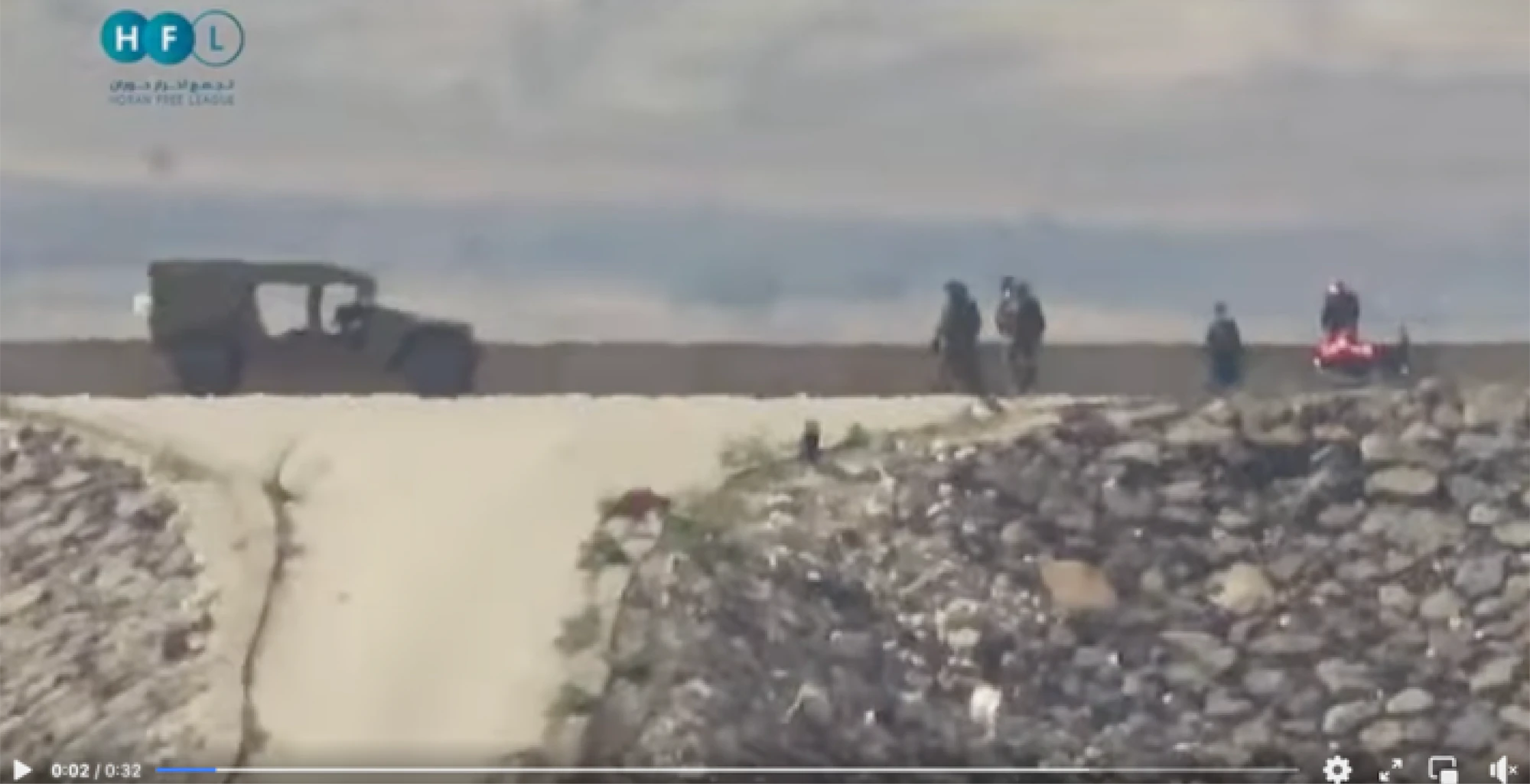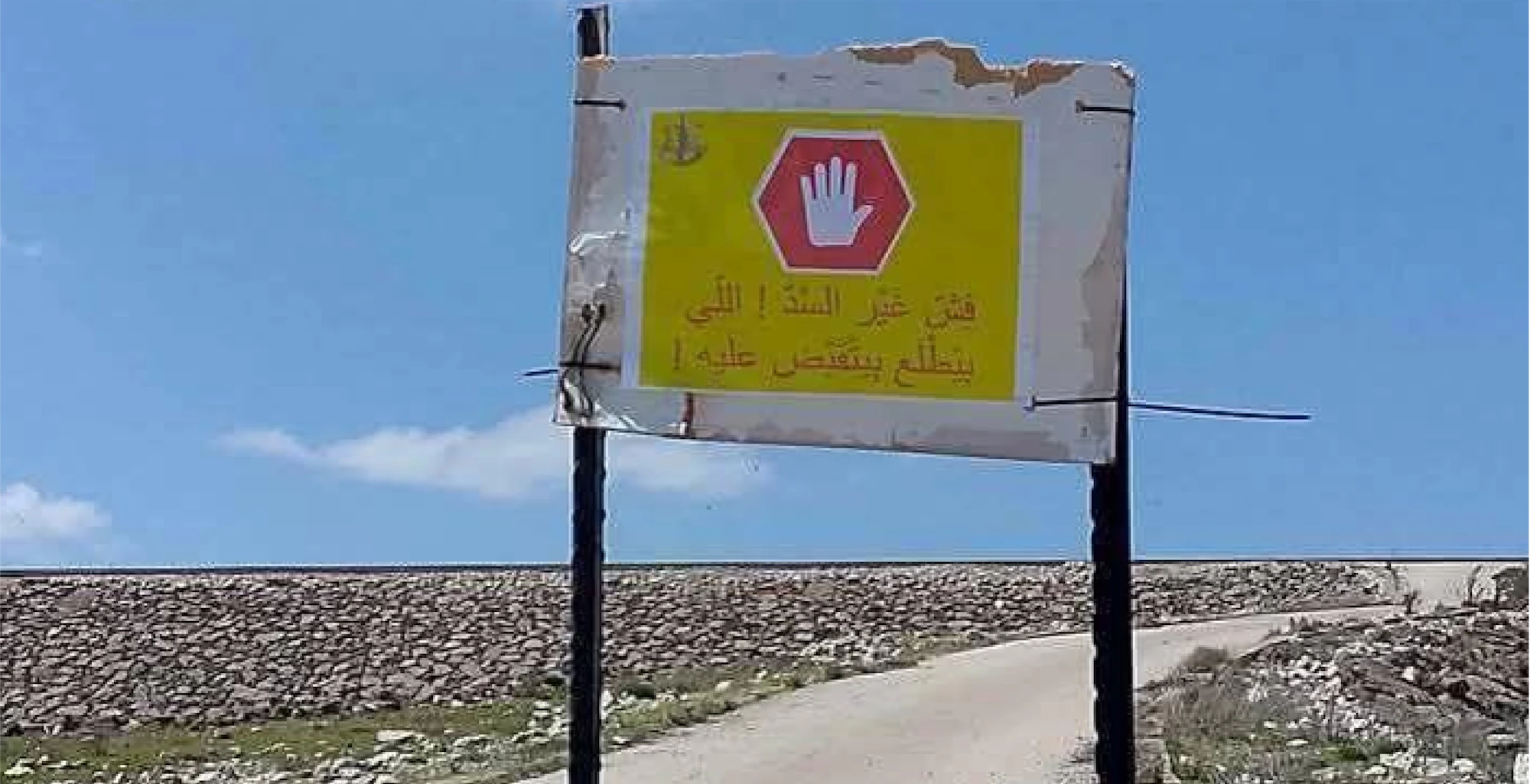
A new investigation by Syrian Archive and Verify, documenting over 1,000 incidents, show how water has been used as a weapon throughout Syria’s conflict, from sieges and looted infrastructure, to flooding and contamination.
Access to water is a basic requirement for life and a right protected under international human rights law. It is also, throughout the history of armed conflict, one of the first things to be taken away. In Syria, water has functioned as a bargaining chip: cut off to punish civilian populations, seized to generate leverage, and in some cases weaponised directly through flooding or contamination. Evidence of these violations is now substantially documented.
Between March 2011 and December 2025, 1,160 incidents have been recorded in which access to water was restricted, weaponised, or deliberately disrupted across Syria. The findings of this investigation, published by Syrian Archive and Verify, in collaboration with CIR, span the full arc of the Syrian conflict and extend into the period following the fall of the Assad regime.
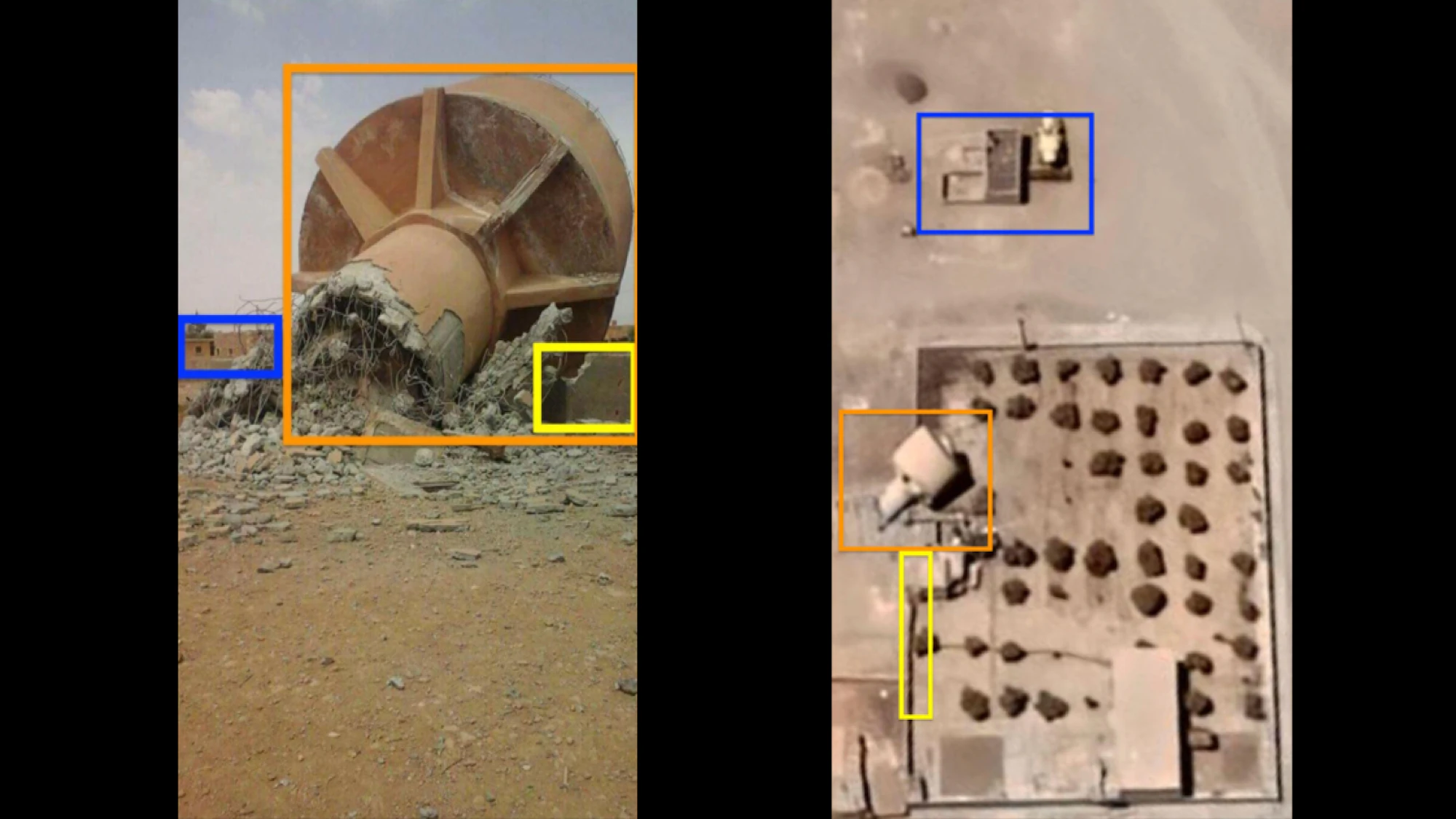
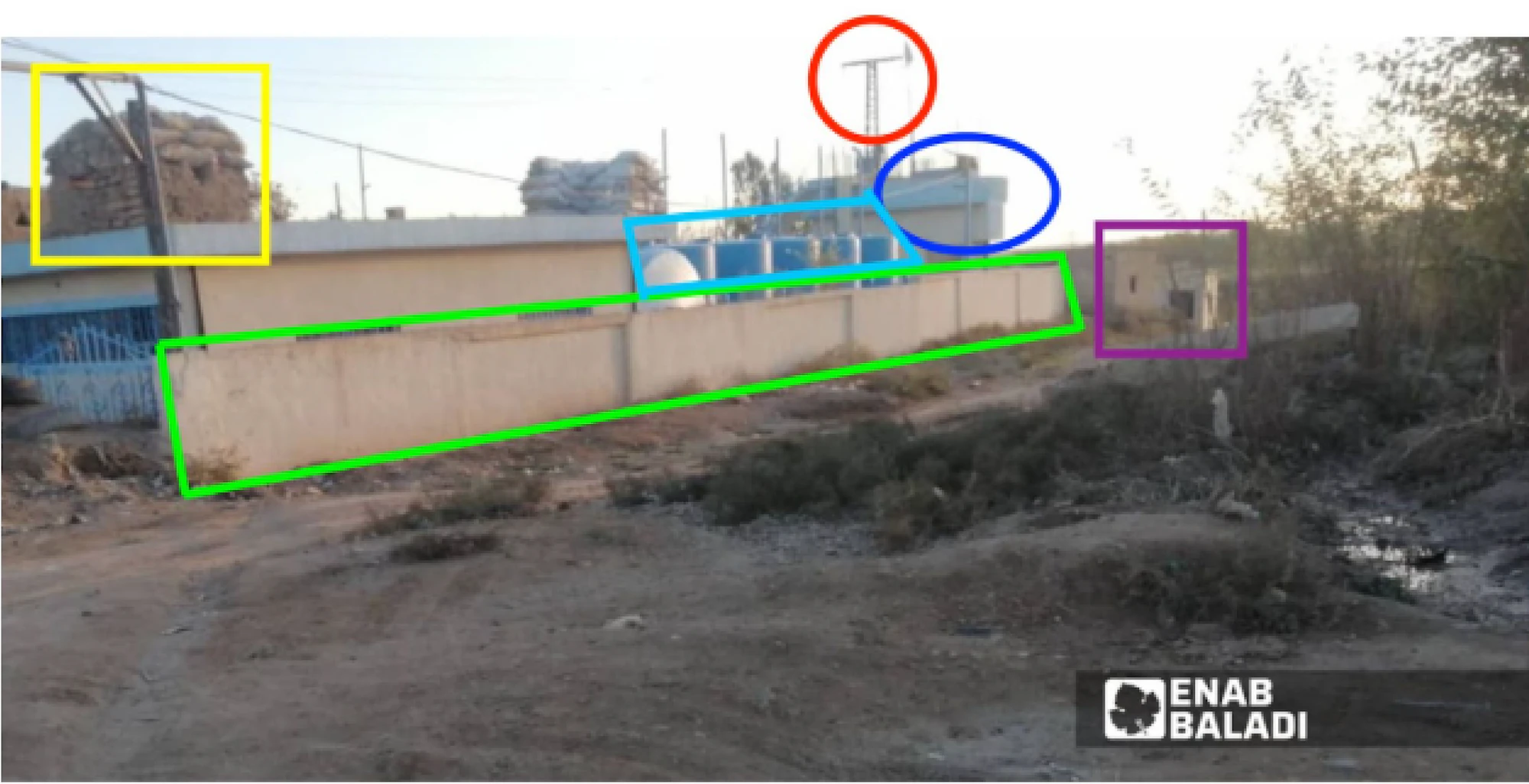
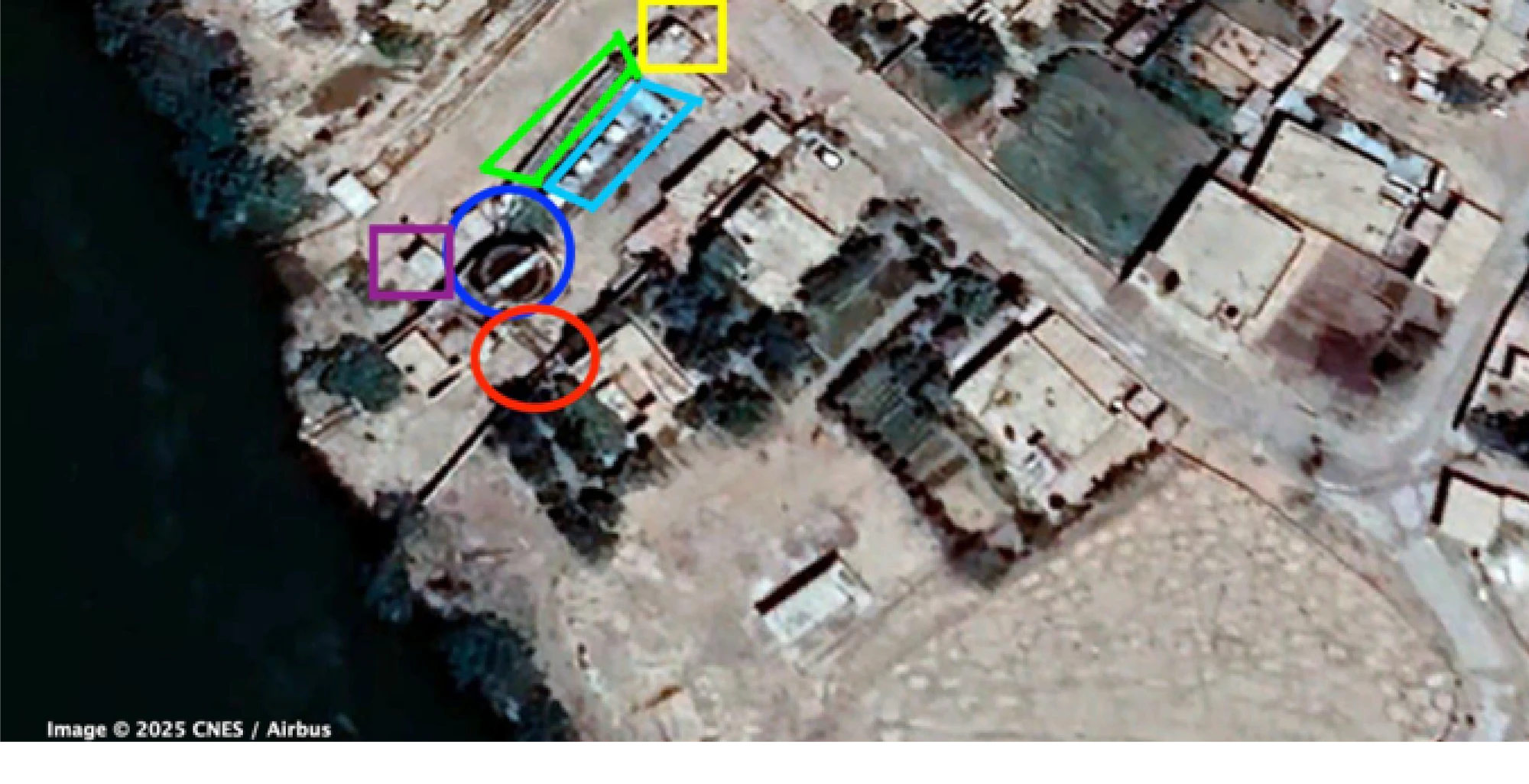
The investigation draws on open-source records cross-referenced through geolocation, image and video comparison, and corroboration across multiple reporting sources. Three principal patterns emerge from the data: the control of water resources and infrastructure as a tool of siege and collective punishment, including the cutting of supplies, bombing of facilities, and looting of equipment; the conversion of water installations into military positions; and the use of water itself as a weapon, through flooding, the manipulation of water levels, and contamination or poisoning.
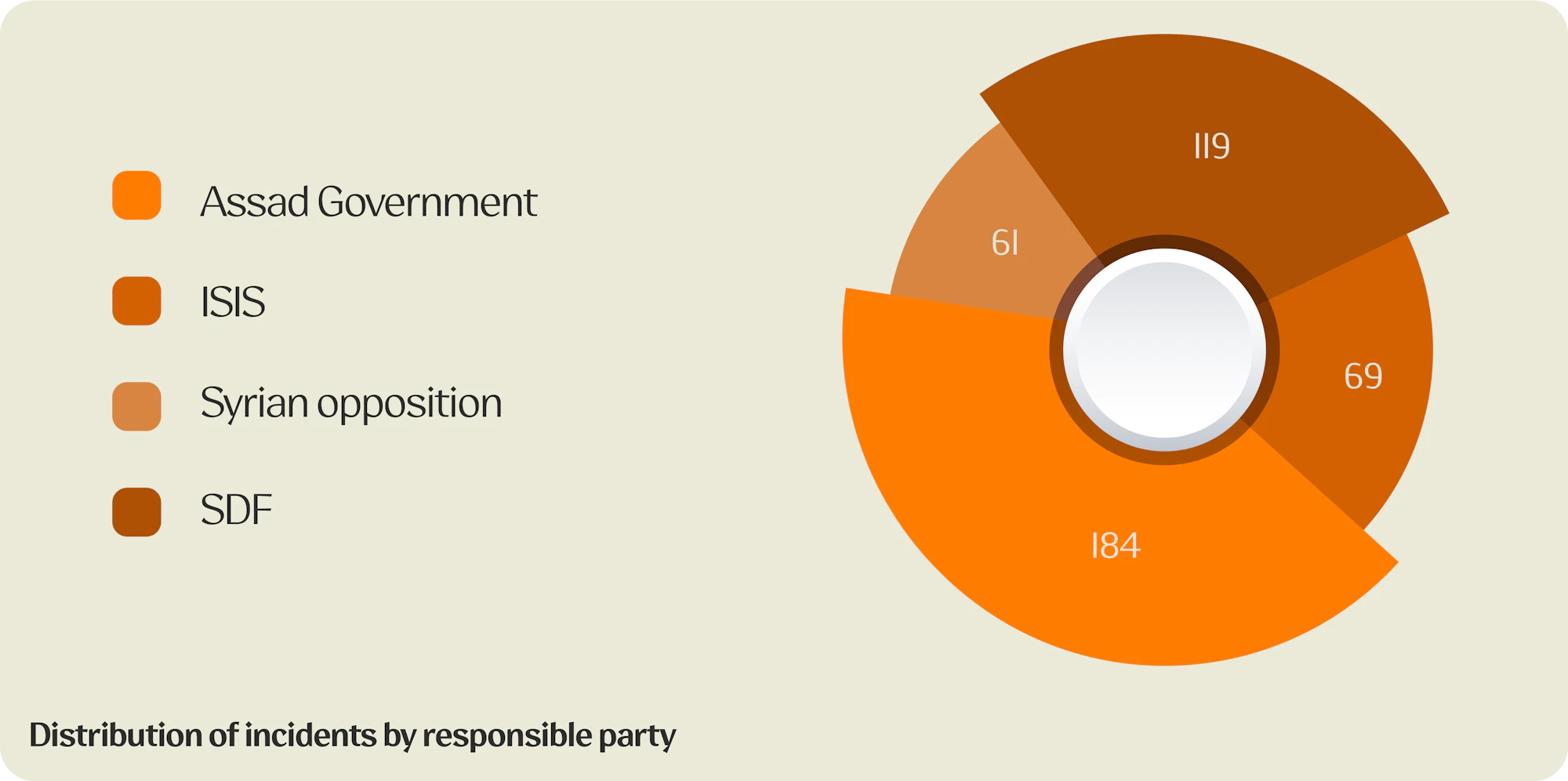
Of the 433 incidents documented during the Syrian conflict between 2011 and 2024, the Assad government accounted for the largest share, with 184 incidents attributed to regime forces. The Syrian Democratic Forces were responsible for 119 incidents, the Islamic State for 69, and Syrian opposition factions for 61. Water cuts were the most frequently recorded type of incident, occurring 141 times, with the Assad government believed responsible for 69 of those cases.